
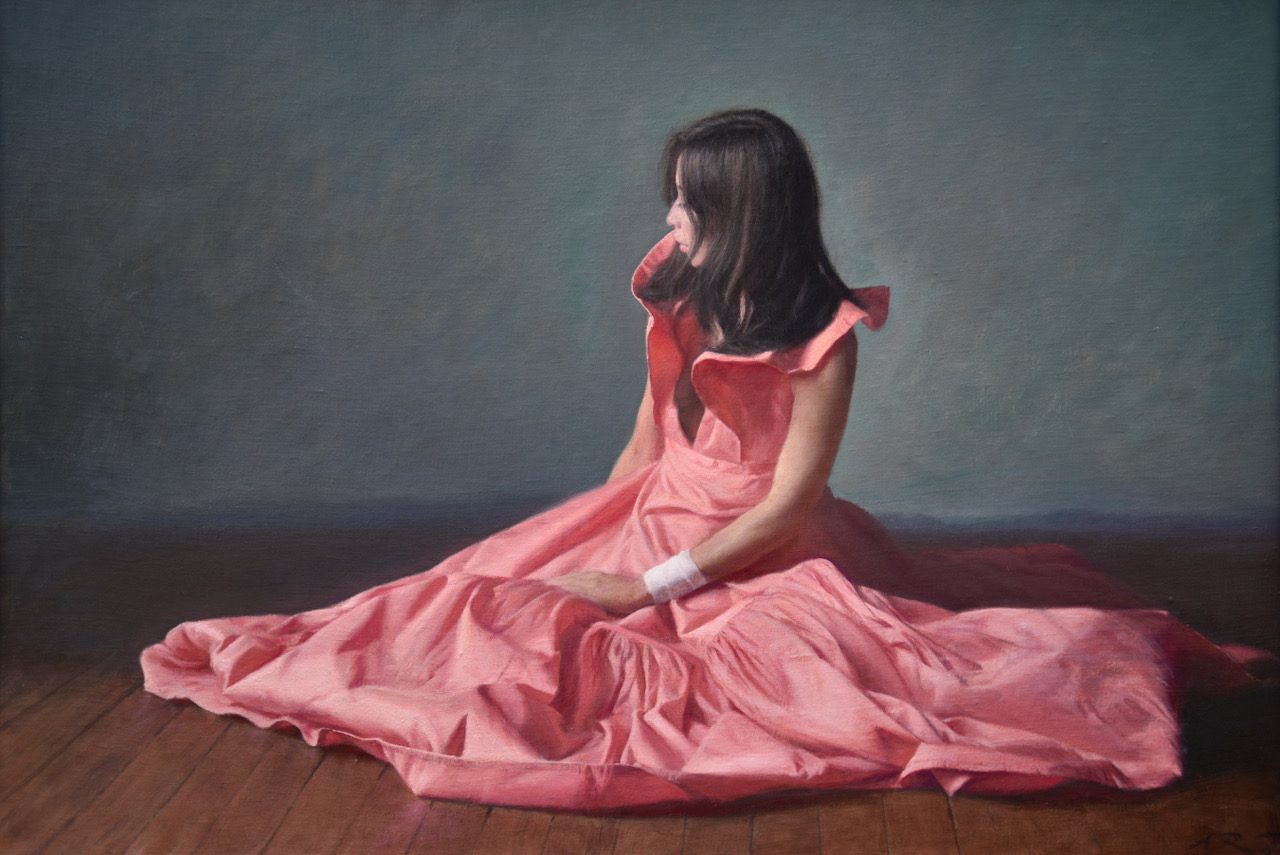
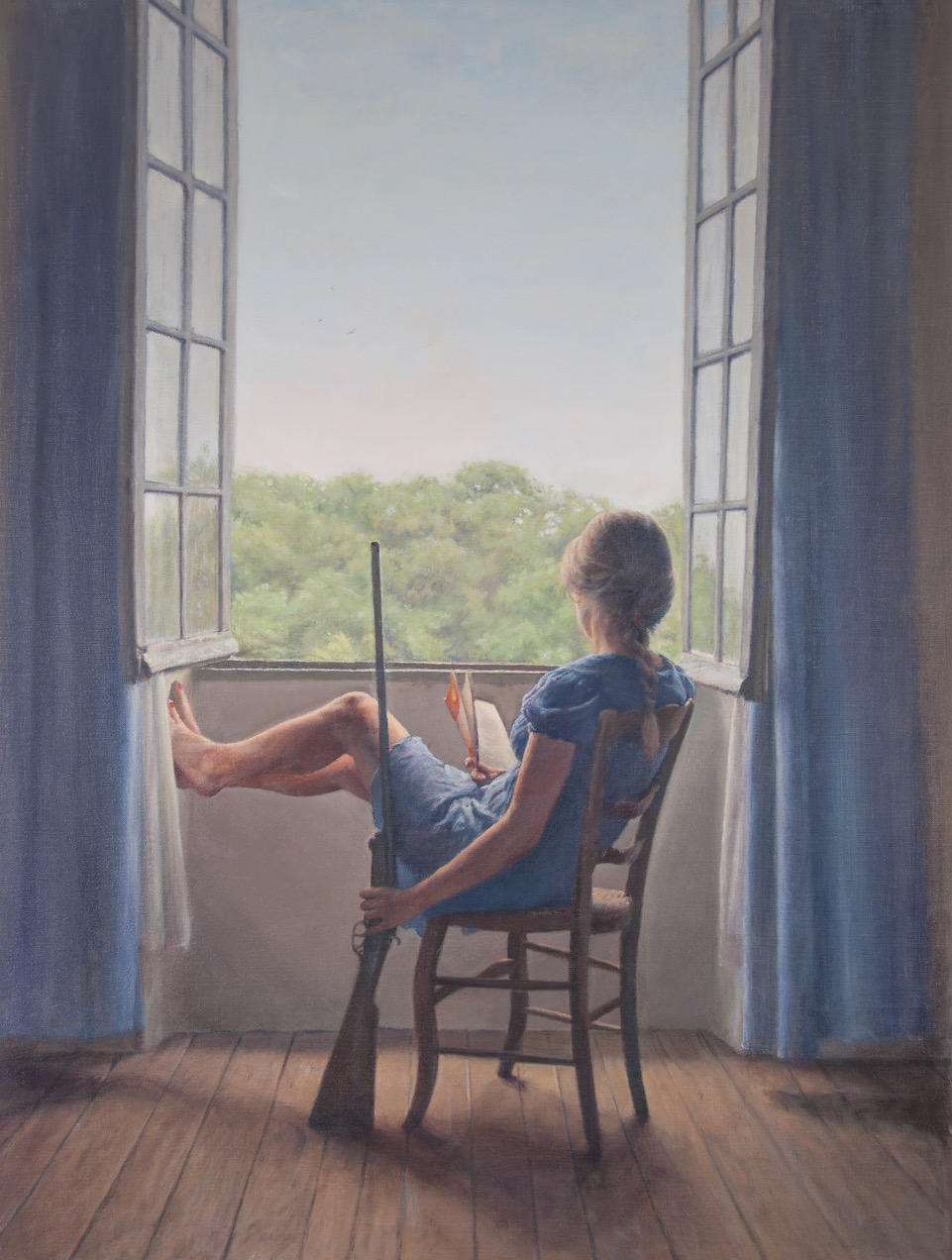
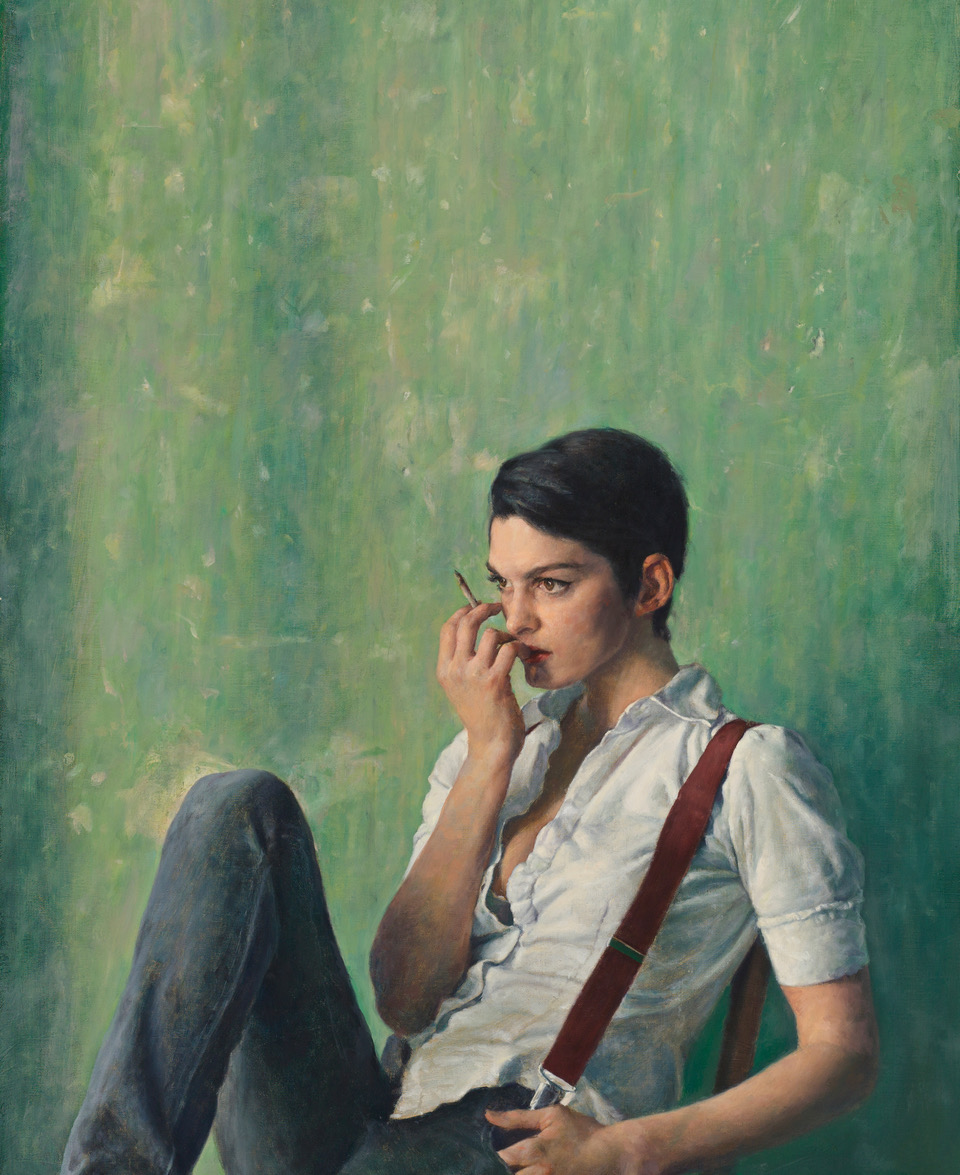
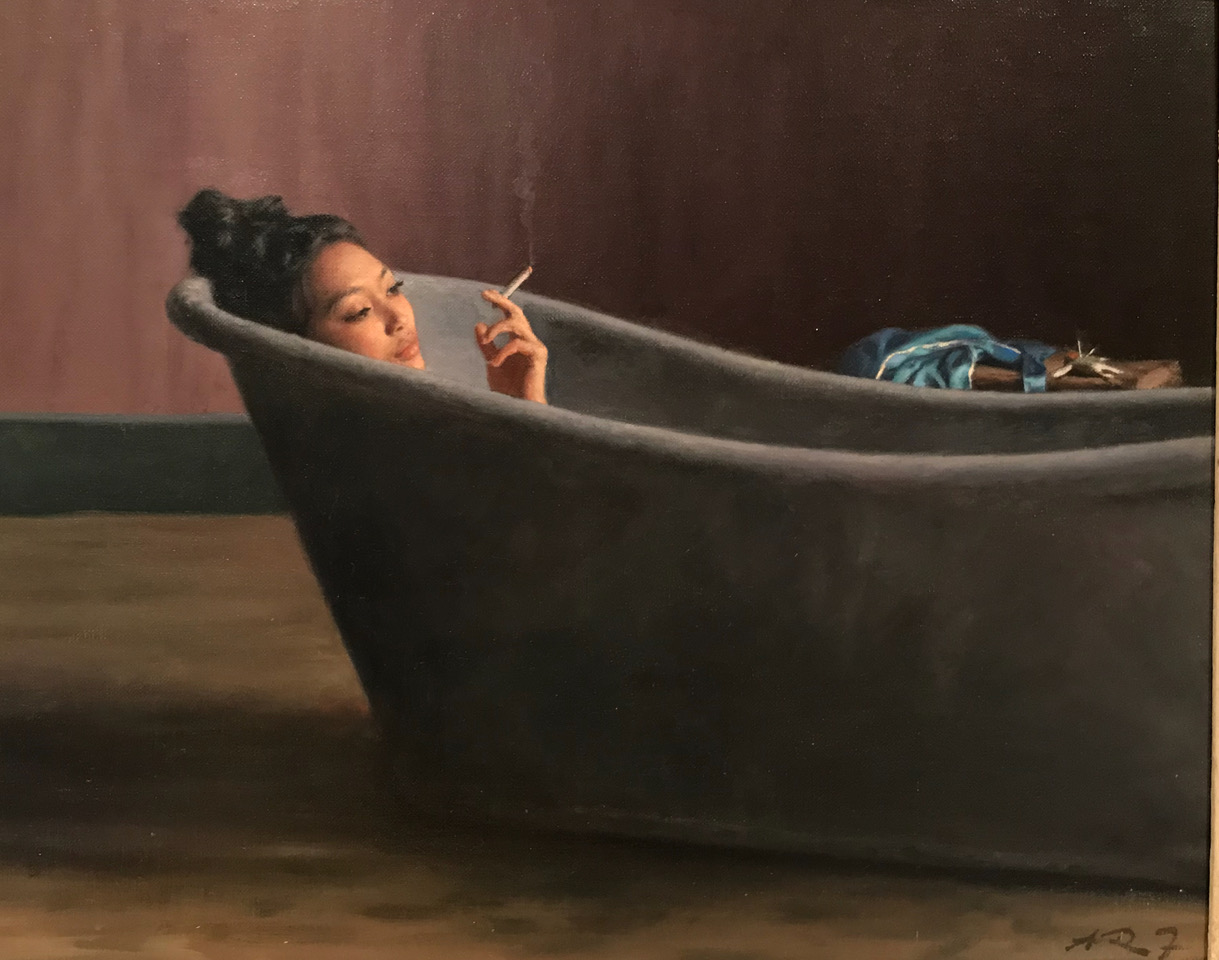
Alex Russell Flint is a painter of quiet drama — canvases that hold their breath. His figurative oil paintings, often set in and around his home at L'Ancienne École in central France, balance visual serenity with undercurrents of narrative tension. Great-grandson of the legendary Sir William Russell Flint, Alex has forged a deeply personal visual language shaped by found objects, literary imagination, and an instinct for timeless composition. His work has appeared on the cover of Donna Tartt's The Secret History and been featured in World of Interiors and the HTSI, with collectors across the UK, the US, and beyond.
1. Your work often carries a sense of stillness with an undercurrent of tension — how do you consciously balance narrative drama with calm, composed imagery?
Ultimately by looking at it and seeing if it conveys that feeling that I'm searching for. The primary objective is to produce an image that is visually pleasing, well balanced, and that the eye can rest and want to stay on. This is mostly done by the abstract shapes of the composition and colour, and allows jarring narrative elements to be included without disrupting the overall visual peace of the image.
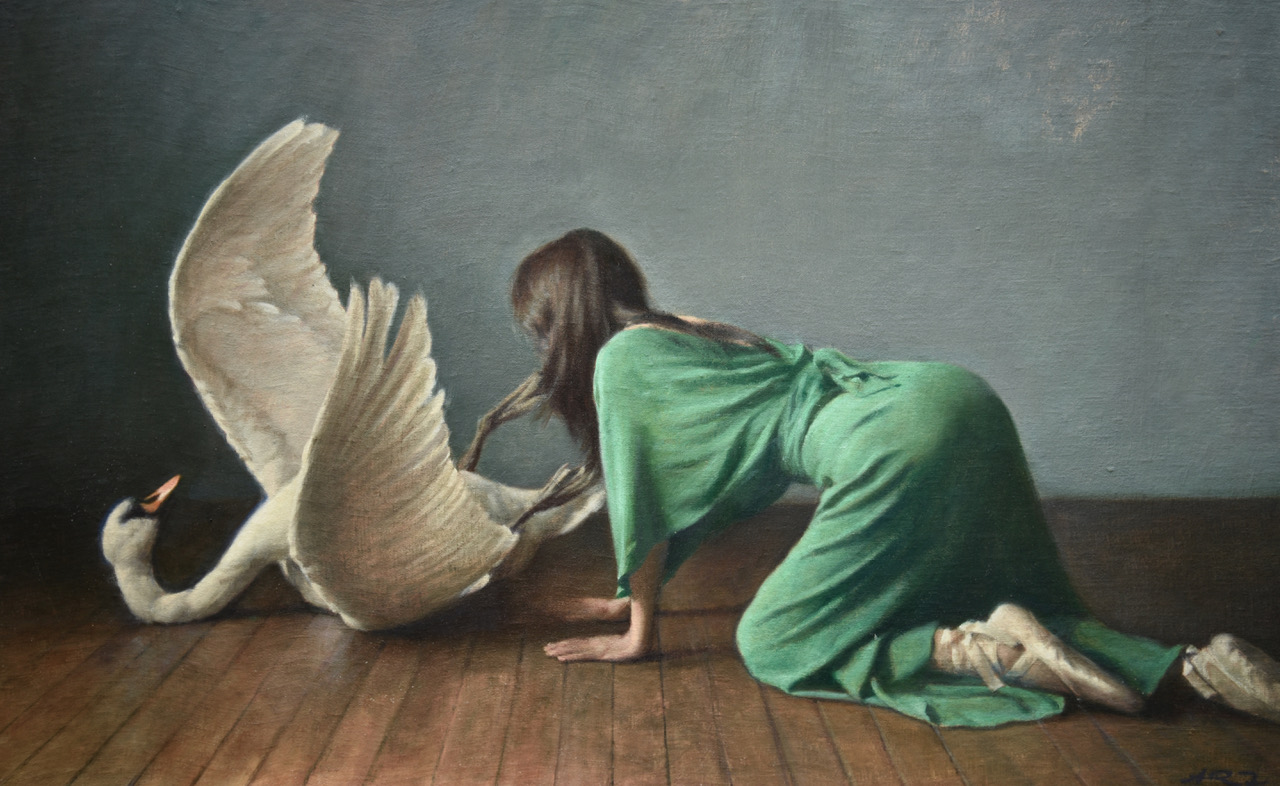
2. Many of your paintings are set around L'Ancienne École in central France. How has living and working in that environment shaped your visual language and recurring themes?
Having never owned a property of my own, I found myself the owner of this huge old semi-derelict former schoolhouse. I had no furniture or possessions to fill it and so every week I went about scouring thrift stores and garage sales for things to fill it. Doing this I'd come across random objects — a toboggan, rollerskates, a rifle, a dress — that would spark ideas for different stories that I began to want to paint pictures of. As each object sparked multiple stories, I would try to avoid making any one painting too specific, preferring to try and spark different stories in the minds of the viewer.
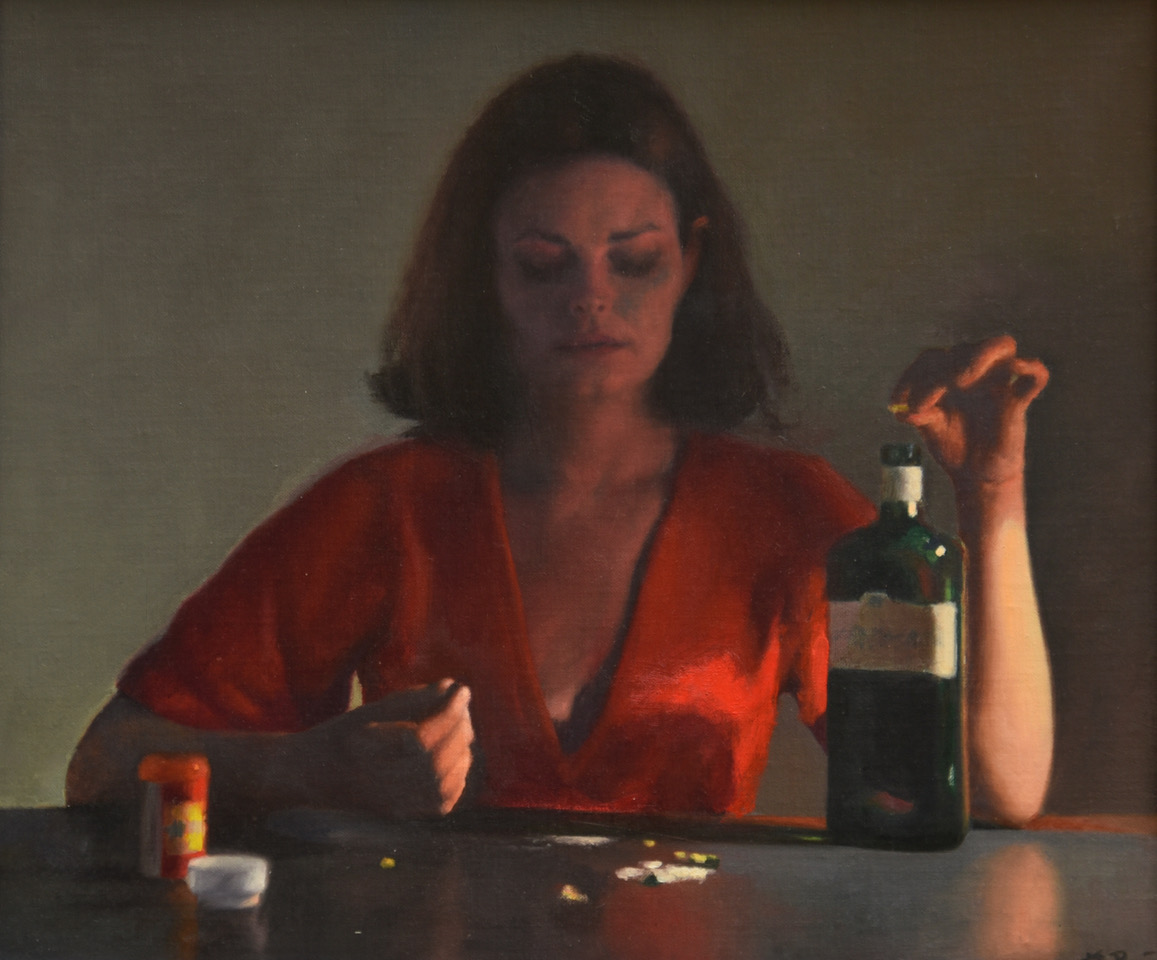
3. As the great-grandson of Sir William Russell Flint, how do you feel his legacy has influenced — or not influenced — your approach to representational painting?
By always having images of his on the walls growing up, when drawing as a kid I would only have to glance at one of his pictures to realise that my childish attempts were pretty crap in comparison. He had the most incredible skill, was a fantastic designer, so prolific, and his best work is truly beautiful. I always steered well clear of watercolours, barely ever even trying them, and when I started getting serious about following a career in art was initially drawn to portraiture in oils — maybe because I thought he was less good at these and cast less of a shadow. He died before I was born and so I never met him, but I am very proud to be his great-grandson and flatter myself that we share certain sensibilities, or maybe his have just shaped my own.
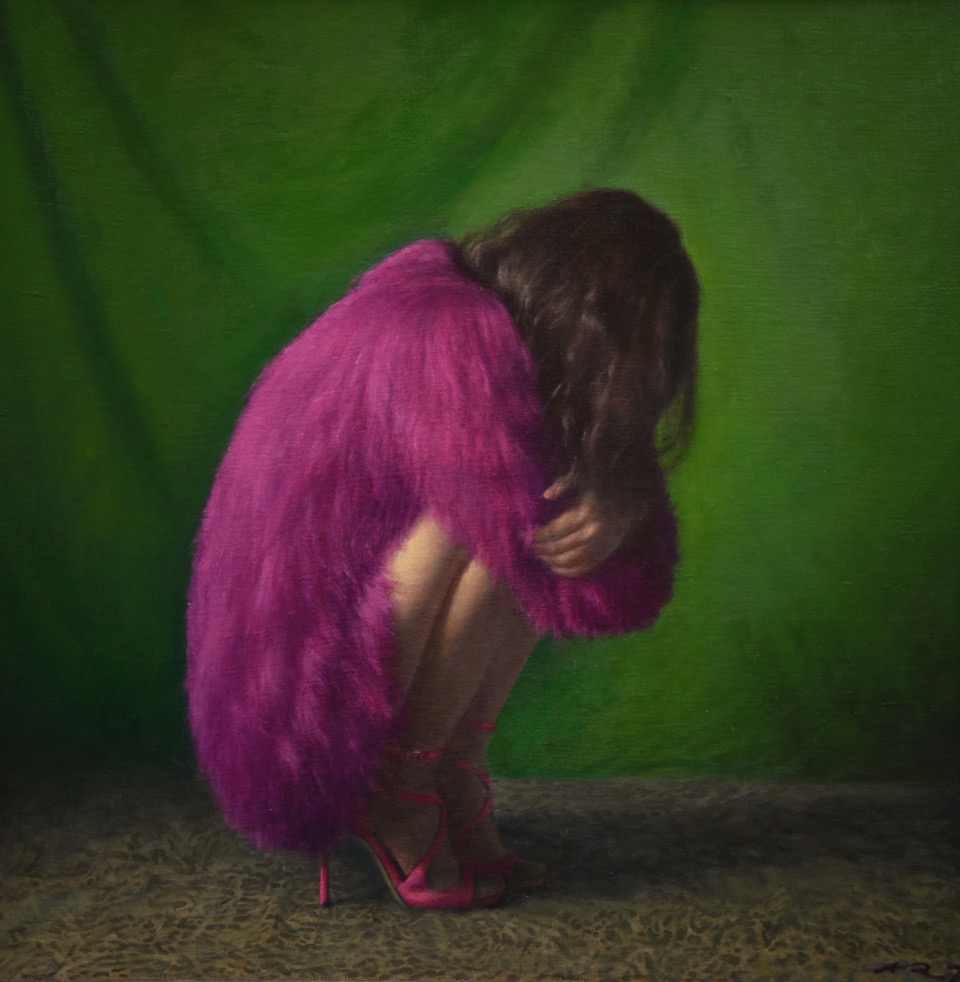
4. You work across both oil and charcoal. How do you decide which medium best serves a particular idea or narrative?
I haven't used charcoal for a while now and must start getting back into it. I love it for its painterly, smoky qualities, but in recent years have been increasingly drawn to colour combinations — hence choosing oil painting.
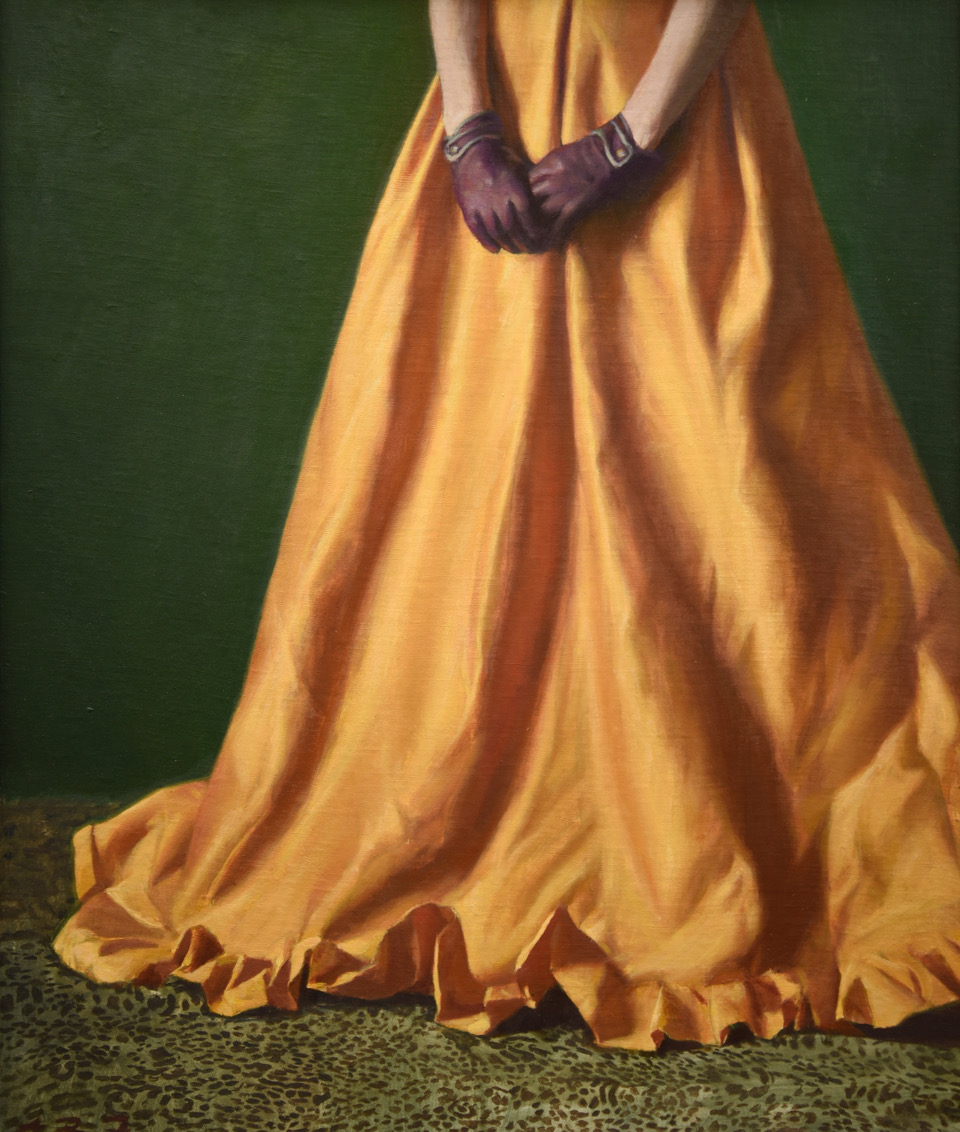
5. Your paintings often feel timeless yet contemporary at the same time. What strategies do you use to avoid being anchored too firmly in either historical or modern aesthetics?
I don't like trends or fast fashion and am drawn to things with a timeless quality to them. If a piece is looking too old-fashioned it's good to add something that modernises it a little bit.
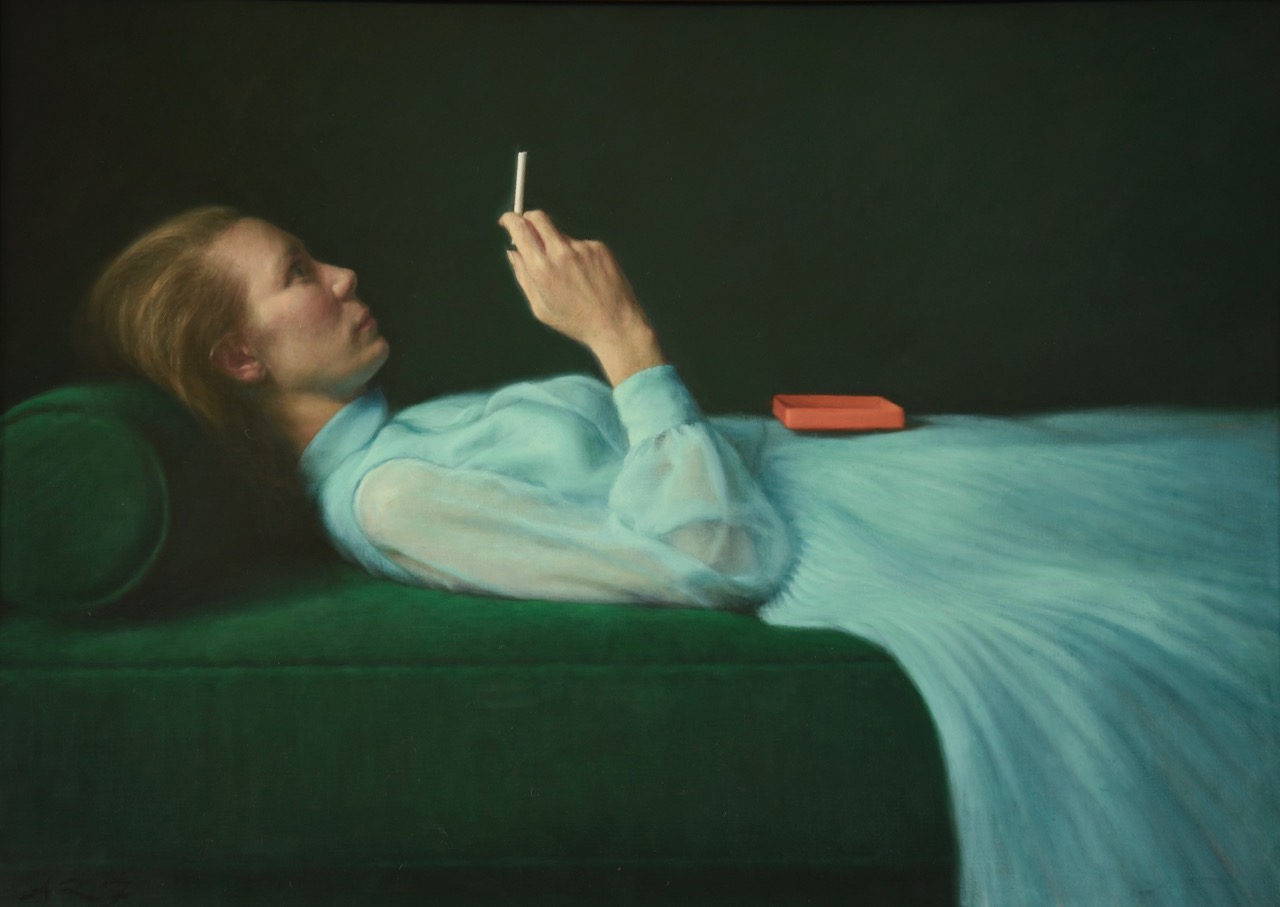
6. Your work has appeared on the cover of Donna Tartt's The Secret History. What was your reaction to seeing your art associated with such a specific literary world, and how do literature and storytelling influence your practice?
I'm constantly coming up with little stories in my head, and that infuses my work. This is probably why many of my paintings have appeared on book covers. Donna Tartt's The Secret History is an amazing book — a modern classic — so I was definitely flattered to have my work chosen for its cover.
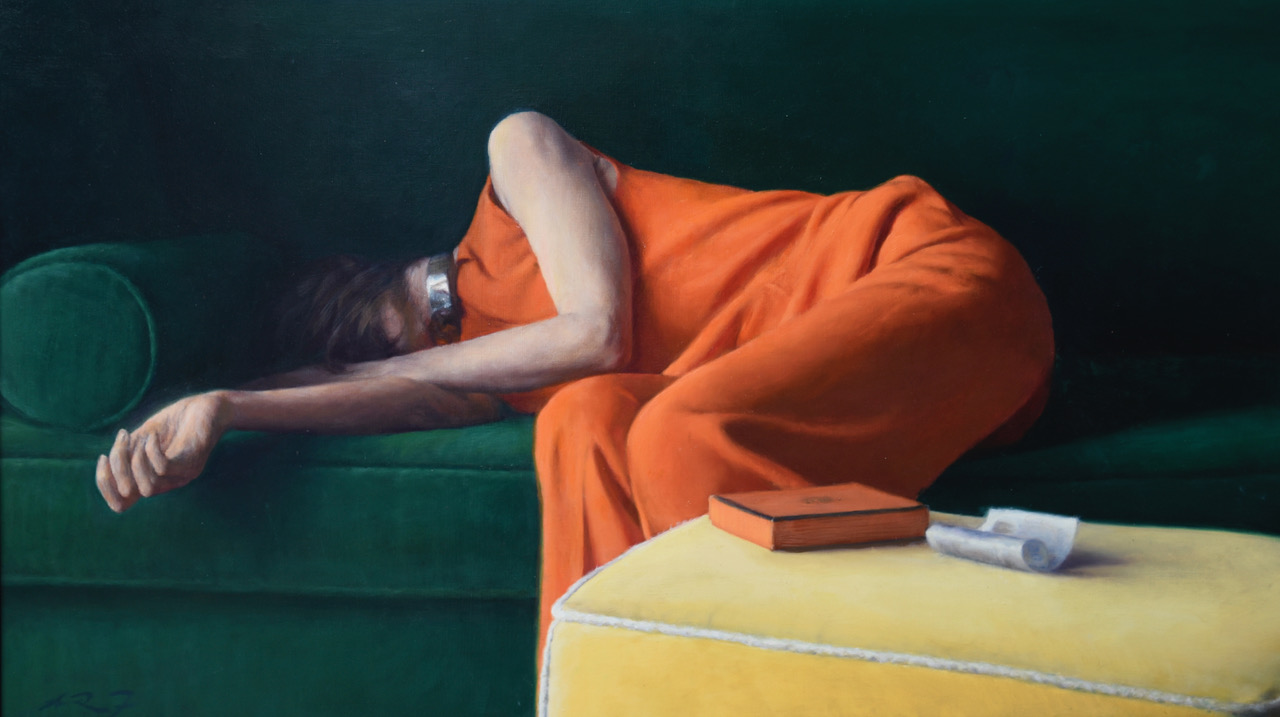
7. Your home and studio have been featured in publications like World of Interiors and HTSI. Do you see your living space as an extension of your creative process, or something separate from it?
Most definitely an extension of it. I find it hugely creatively rewarding and express the same sensibilities in my decorating as I do in my paintings: I want it to be visually enticing, well balanced, easy on the eye, be in a pleasing colour palette with pops of brightness, have some unexpected elements for the eye to chew on, be enveloping and timeless, and a place where stories happen.
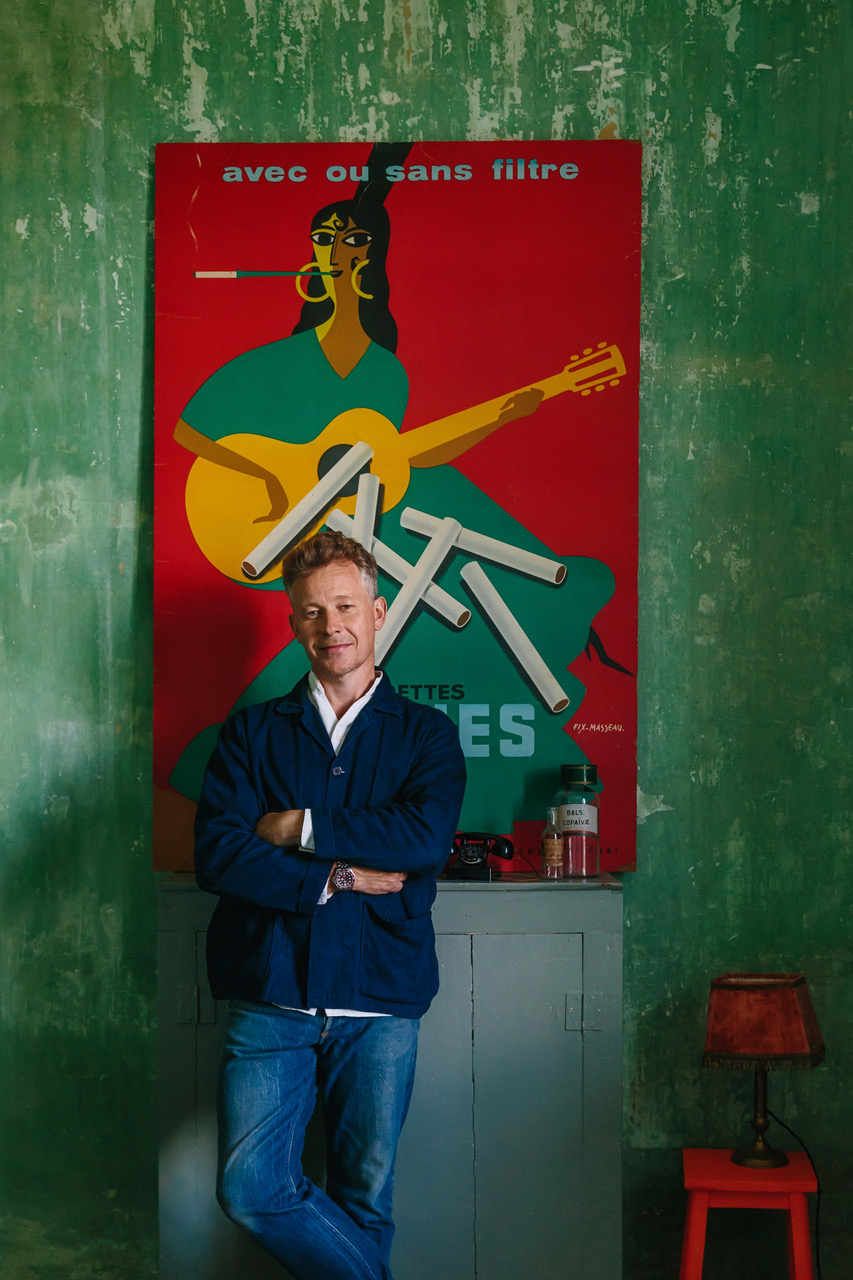
8. With exhibitions across the UK, Ireland, and the US, how do different audiences respond to your work — and do you adjust your practice or presentation depending on where it's shown?
I'm not sure I've really noticed a difference. I'm very lucky to have collectors all over the world, but predominantly the US and the UK. Certain galleries have certain clients who generally might prefer one series of work to another, but I think this is less to do with where they are and more to do with that particular gallery's client base.
Follow Alex on Instagram at @alexrussellflint