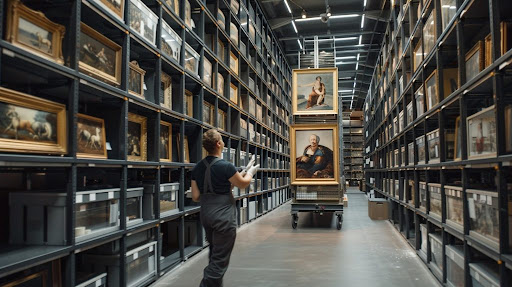
There is a quiet paradox at the heart of the contemporary art market: some of the most expensive and culturally significant artworks in the world are not on museum walls, private living rooms, or public view at all — but locked inside climate-controlled warehouses known as freeports, sometimes for decades at a time.
These spaces, often located in tax-friendly jurisdictions such as Switzerland, Singapore, and Luxembourg, function as high-security storage facilities for art and luxury assets. Within their walls, artworks can be bought, sold, and transferred without ever formally "entering" the country where they physically sit. Legally, it is elegant. Culturally, it is disorienting. Ownership changes hands, value appreciates, insurance is renewed — but the public encounter with the object is effectively suspended.
In practice, this means a painting can become more visible to financial markets than to human eyes.
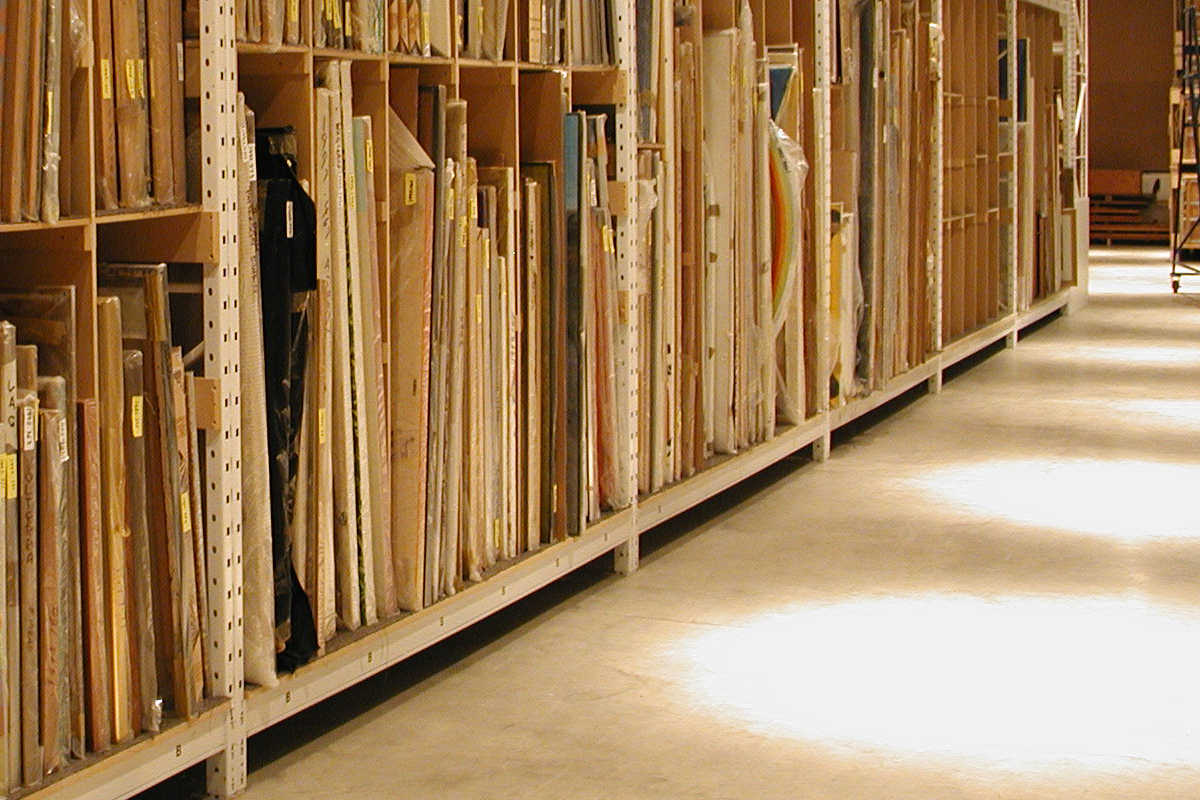
Consider what this looks like in concrete terms. Investigative reporting and documented cases suggest that works such as Amedeo Modigliani's Seated Man with a Cane — a painting once looted during the Nazi era — have passed through or remained within the Geneva Freeport system. Alongside it, Etruscan sarcophagi and ancient artifacts, some reportedly stored since the 1970s, sit in conditions designed for preservation but not for display. These are not temporary holdings awaiting exhibition. They are long-term absences from cultural life.
Even more striking is the scale of modern and modernist art circulating through these invisible vaults. Reporting and research have indicated that works associated with artists like Pablo Picasso, Andy Warhol, Pierre-Auguste Renoir, Gustav Klimt, and Vincent van Gogh have all been stored in freeport facilities at various times. In the case of Picasso alone, estimates suggest that hundreds of works — or works tied to his estate and market — have passed through Geneva's storage ecosystem. The precise identities of many of these works are not publicly disclosed, which is not incidental but structural. The system depends on opacity.
It is estimated that over a million artworks may be stored in Geneva's freeport alone, with collective values reaching into the tens of billions of dollars. Within that total are Impressionist canvases, postwar icons, contemporary blue-chip works, sculptures, and antiquities. Many are insured, appraised, and actively traded. Some change legal ownership multiple times without ever being unpacked from storage crates. A collector may own a Klimt or a Warhol in the same way one owns securities — without ever experiencing the object directly.
This creates a cultural inversion. Traditionally, art derived meaning from exposure — from being seen, interpreted, argued over, and historically situated in public or semi-public space. Museums, galleries, and even private collections have historically participated in that ecosystem of visibility. But freeports introduce a different logic: art as inert capital, optimized for movement across borders rather than presence within them.
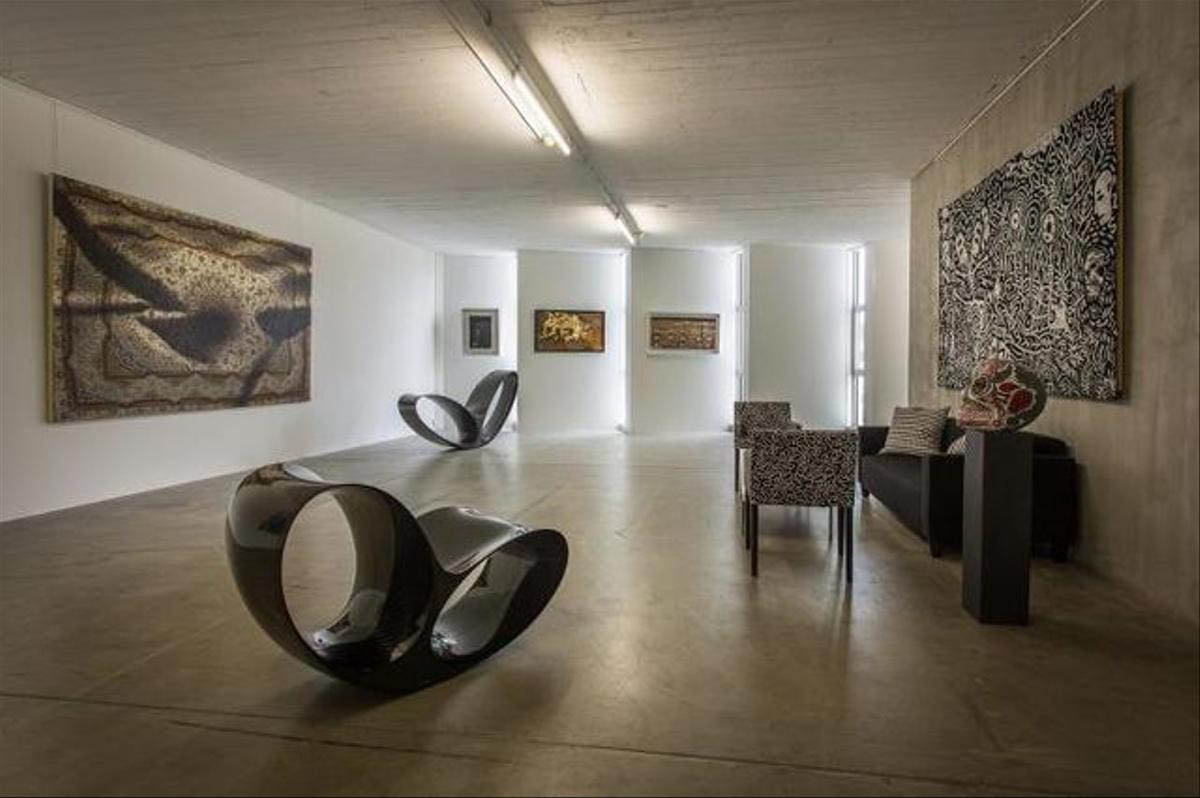
Supporters of the system argue that freeports provide security, privacy, and protection for fragile, high-value objects. In a volatile global economy, they function as safeguards against theft, political instability, and damage. In that sense, they are an extension of legitimate collecting practices — just more efficient.
But efficiency comes at a cost that is rarely accounted for in market valuations.
When a Modigliani, a Renoir, or a Klimt is stored indefinitely out of view, its cultural function is effectively paused. Scholars cannot study it. Curators cannot contextualize it. The public cannot experience it. Even when ownership changes — legally, financially, repeatedly — the artwork itself remains in the same suspended condition, as if time applies only to its price, not its presence.
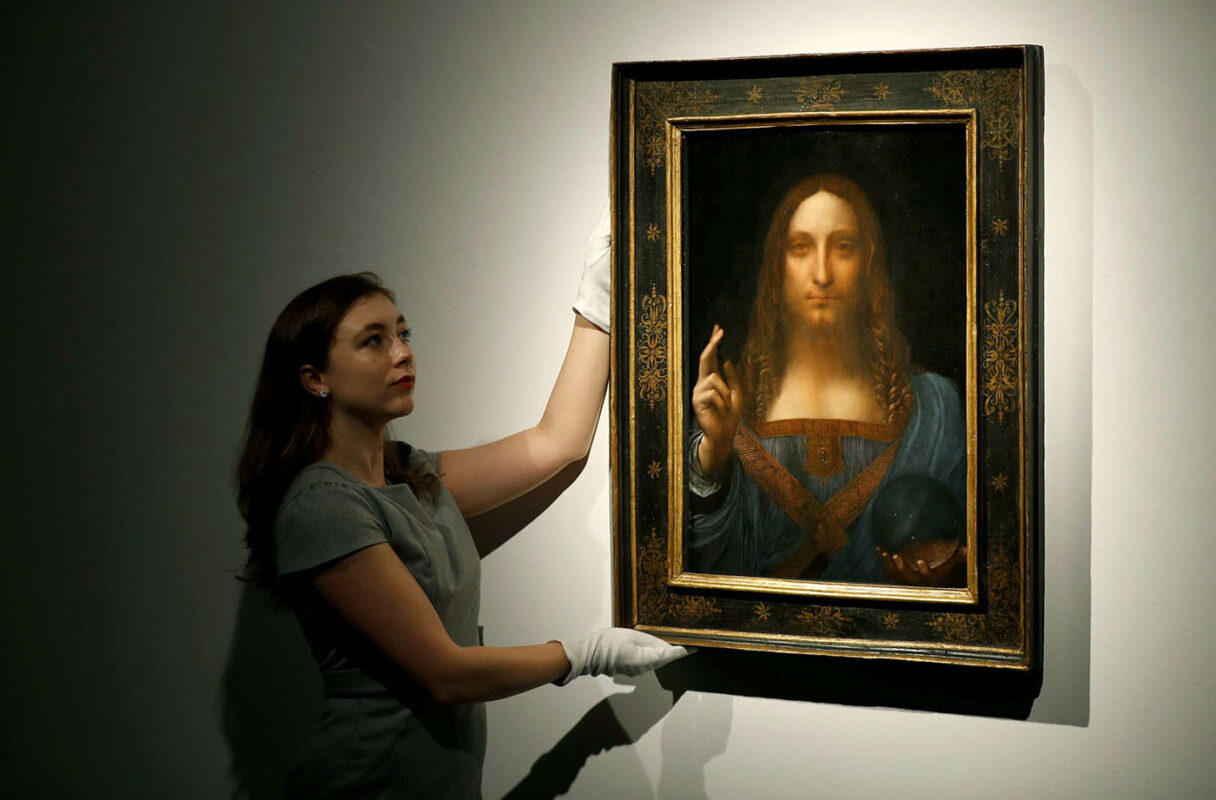
The answer points to a broader transformation in how culture is treated under financialization. In a system where assets are increasingly abstracted, art becomes less an object of experience and more a vessel of liquidity. Its aesthetic, historical, and emotional dimensions do not disappear — but they become secondary to its function as a store of wealth.
And yet, the paradox persists. Many of these works achieved their extraordinary valuations precisely because of their cultural significance — their role in shaping how we see modernity, identity, and history. That significance is what makes them valuable. And that value is what now allows them to be removed from circulation.

The result is a kind of cultural accumulation without access: a growing archive of masterpieces that exist in perfect condition, legally active, financially mobile — and physically absent from the world they helped define.
In the end, freeports do not simply store art. They redefine its relationship to time, ownership, and visibility. They preserve the object while suspending its life in culture.
And what is most unsettling is not what we know is inside them, but what the system allows us not to see at all.