
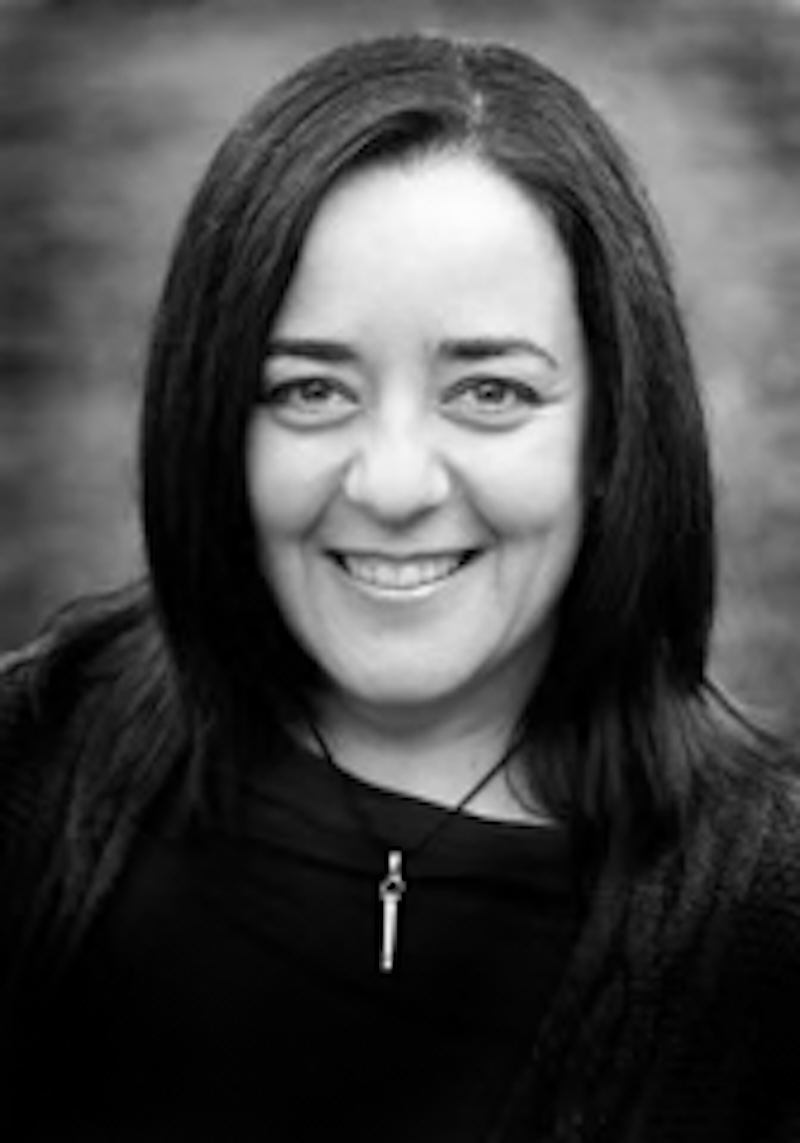
Lisa Saad creates cinematic photographic worlds that exist somewhere between memory, emotion, and imagination. Through layered compositions, atmospheric architecture, and anonymous figures suspended in dreamlike spaces, her work explores themes of nostalgia, identity, loneliness, and human connection. Based in Australia, Saad brings more than four decades of experience behind the camera into her fine art practice — elements that now shape the hauntingly beautiful visual language of her work.
1. Why would you say art has such a big influence on society?
Art gives people permission to feel.
I think that's one of its greatest powers. Long before we can explain emotions logically, we respond emotionally to imagery, music, storytelling, colour, atmosphere, and memory. Art has the ability to bypass language and connect directly to something deeply human within us.
In many ways, society is built around systems, structure, productivity, and survival, but art reminds us that we are emotional beings living inside those systems. It reflects who we are, what we value, what we fear, what we long for, and what we hope for.
I think art also creates a pause. In a world that moves incredibly quickly, art allows people to stop for a moment and sit inside a feeling, memory, or thought. That emotional pause can be very powerful.
Throughout history, art has challenged ideas, documented cultures, created connections, and helped people feel less alone. I think that influence is timeless.
I think that's one of its greatest powers. Long before we can explain emotions logically, we respond emotionally to imagery, music, storytelling, colour, atmosphere, and memory. Art has the ability to bypass language and connect directly to something deeply human within us.
In many ways, society is built around systems, structure, productivity, and survival, but art reminds us that we are emotional beings living inside those systems. It reflects who we are, what we value, what we fear, what we long for, and what we hope for.
I think art also creates a pause. In a world that moves incredibly quickly, art allows people to stop for a moment and sit inside a feeling, memory, or thought. That emotional pause can be very powerful.
Throughout history, art has challenged ideas, documented cultures, created connections, and helped people feel less alone. I think that influence is timeless.
2. Who or what is your biggest inspiration?
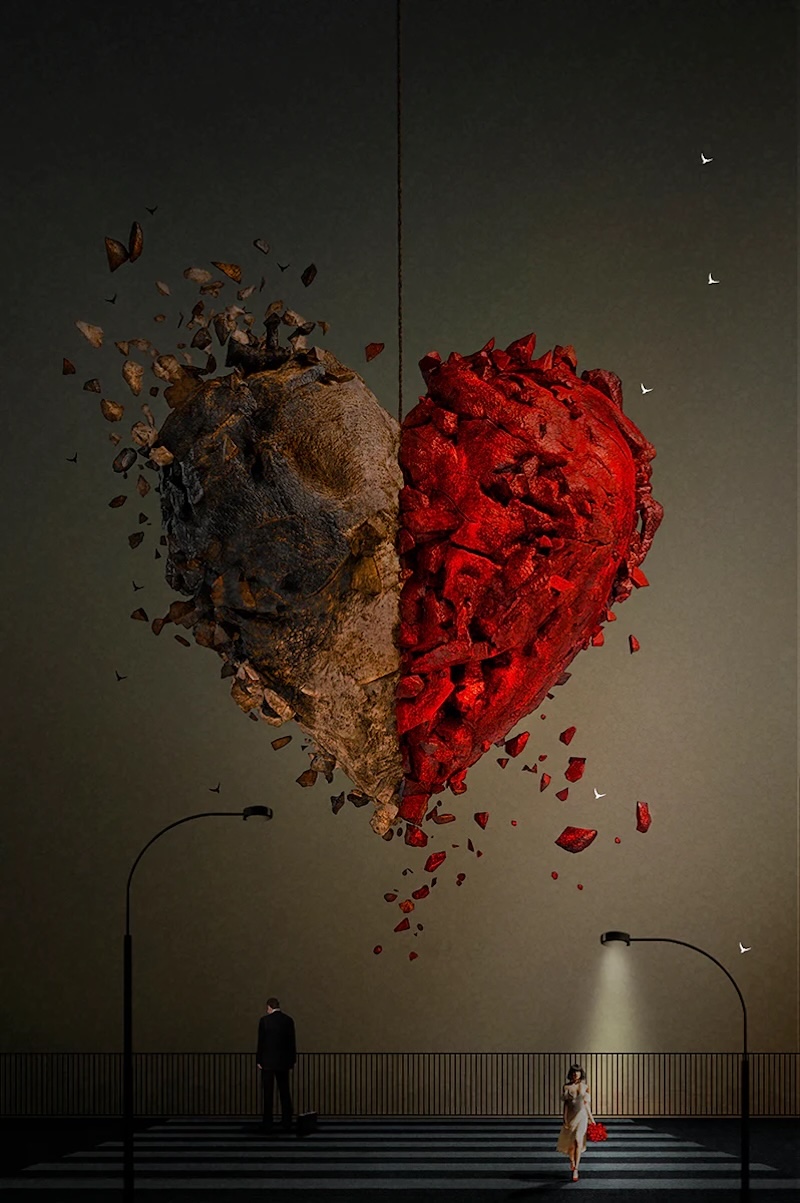
Human emotion is probably my greatest inspiration. I've always been fascinated by the internal worlds people carry around with them — memory, nostalgia, loneliness, resilience, longing, silence, and identity. Much of my work is really about emotional atmosphere rather than documenting literal moments. Cinema has also had a huge influence on me. I love cinematic storytelling, composition, lighting, and emotional pacing. I think that influence naturally found its way into my artwork over time.
Travel is another enormous source of inspiration for me. Different cities, architecture, cultures, textures, and environments constantly shape the way I see and create.
And honestly, life itself has probably been my biggest teacher. After forty years behind the camera, photographing everything from CEOs and celebrities to everyday people, all of those experiences slowly become part of the emotional language of the work.
Travel is another enormous source of inspiration for me. Different cities, architecture, cultures, textures, and environments constantly shape the way I see and create.
And honestly, life itself has probably been my biggest teacher. After forty years behind the camera, photographing everything from CEOs and celebrities to everyday people, all of those experiences slowly become part of the emotional language of the work.
3. The beautiful cinematic look and the otherworldly feel of your photography is what caught my attention in the first place. Can you give us a glimpse into your process? How long does it take from the idea to the finished product?
Thank you — that cinematic feeling is very intentional.
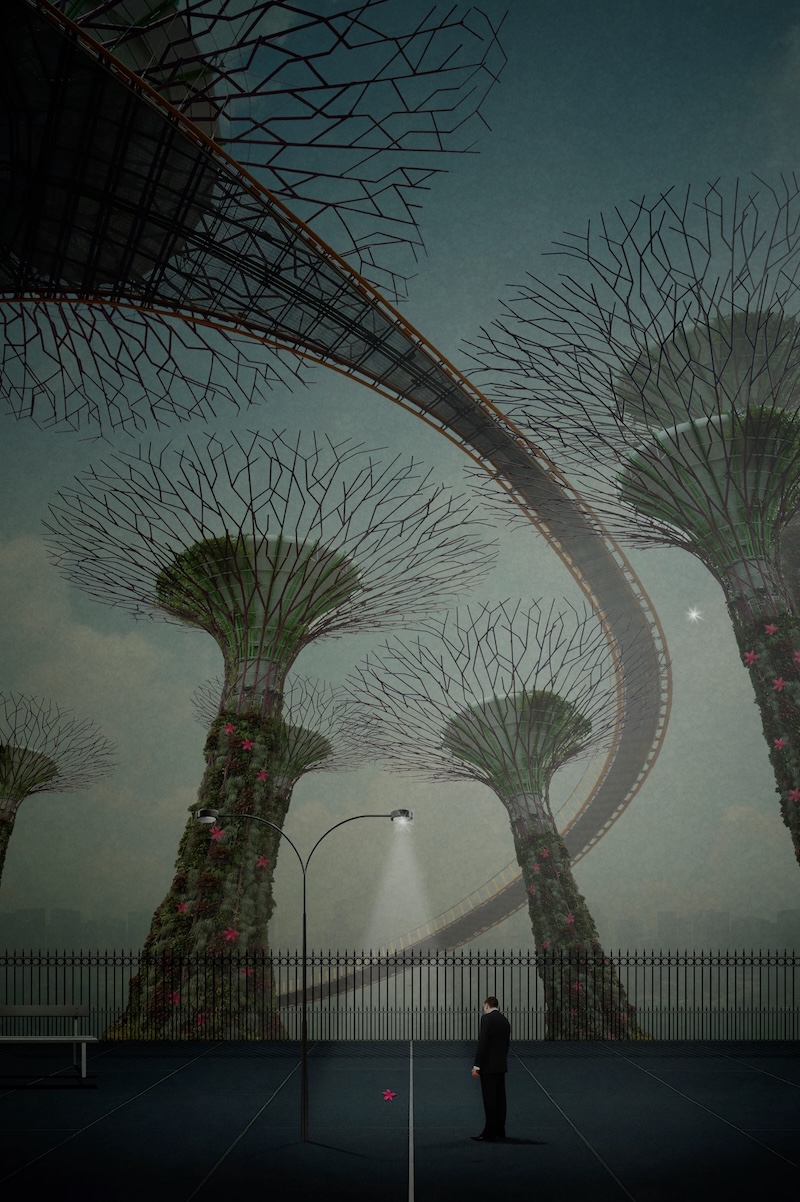
My process is really a combination of photography, storytelling, and digital construction. Many people assume the works are single captures, but in reality, most pieces are carefully built from multiple photographic elements that I've photographed over time and often across different countries.
Sometimes a work begins with a location. Other times it begins with a feeling, a colour palette, architecture, weather, or an emotional state I'm trying to explore. I then slowly gather visual pieces that may eventually belong together. The final artwork is often built through layering, compositing, reconstruction, grading, and refinement.
Because I come from a long commercial and advertising photography background, I spent decades learning how to shape light, perspective, and atmosphere inside an image. That technical foundation allows me to create work that feels believable while still existing slightly outside reality.
Some pieces may take days while others evolve over months or even years. I think of the finished work almost like constructing an emotional memory rather than documenting a literal moment.
My process is really a combination of photography, storytelling, and digital construction. Many people assume the works are single captures, but in reality, most pieces are carefully built from multiple photographic elements that I've photographed over time and often across different countries.
Sometimes a work begins with a location. Other times it begins with a feeling, a colour palette, architecture, weather, or an emotional state I'm trying to explore. I then slowly gather visual pieces that may eventually belong together. The final artwork is often built through layering, compositing, reconstruction, grading, and refinement.
Because I come from a long commercial and advertising photography background, I spent decades learning how to shape light, perspective, and atmosphere inside an image. That technical foundation allows me to create work that feels believable while still existing slightly outside reality.
Some pieces may take days while others evolve over months or even years. I think of the finished work almost like constructing an emotional memory rather than documenting a literal moment.
4. I especially love your 20¢ Bag of Lollies Collection. Tell us more about the inspiration behind that series.
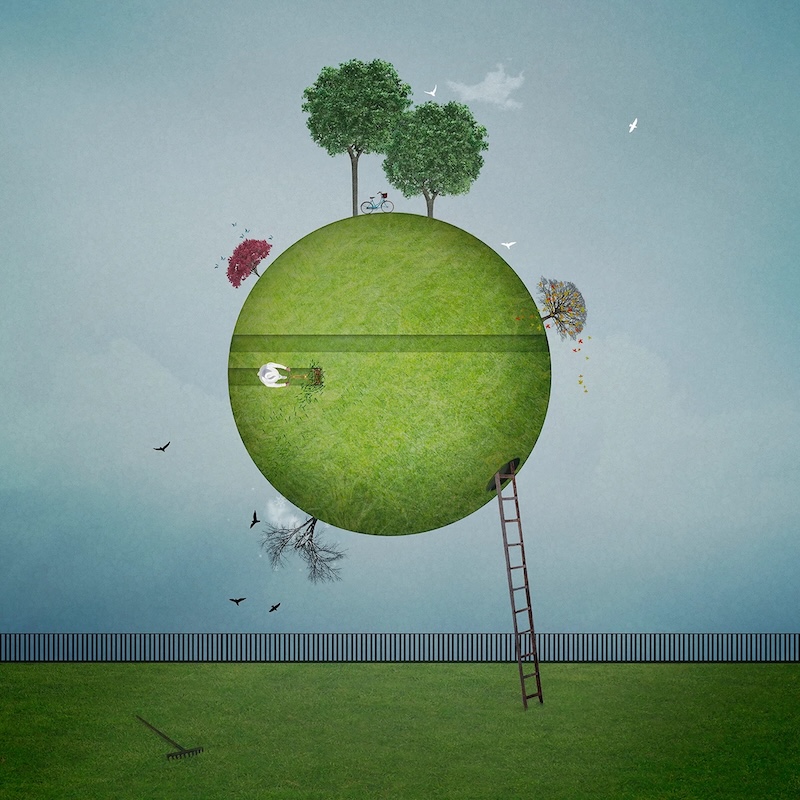
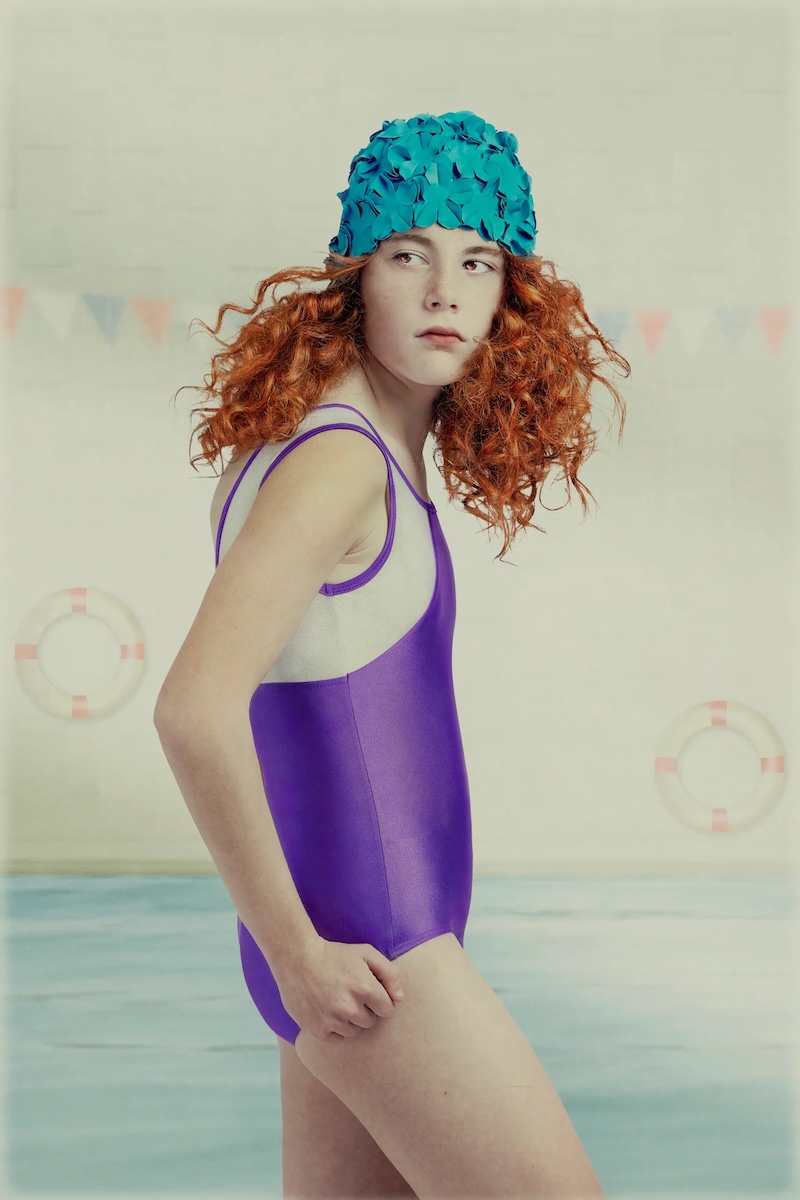
The 20¢ Bag of Lollies collection came from nostalgia and memory.
Growing up in Australia, there was something magical about walking into a local milk bar or corner shop with a few coins in your hand and carefully choosing lollies one by one. It was simple, joyful, and deeply personal.
That series explores childhood memory, comfort, innocence, and emotional connection through colour and atmosphere.
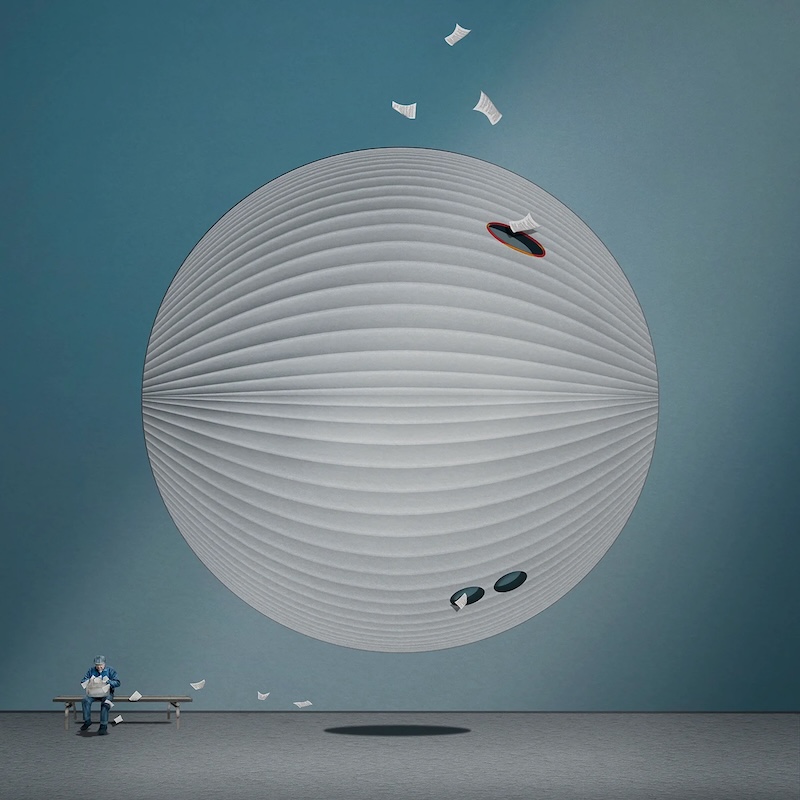
The older man in red, who appears throughout the series, became important to me because he almost feels suspended between childhood memory and adulthood. He exists inside these dreamlike, blue-toned worlds that feel reflective and emotionally familiar.
I think people connect with the work because it reminds them of something emotionally universal — not necessarily the literal lollies themselves, but the feeling of simpler moments, emotional warmth, and memories that stay with us long after childhood disappears.
Growing up in Australia, there was something magical about walking into a local milk bar or corner shop with a few coins in your hand and carefully choosing lollies one by one. It was simple, joyful, and deeply personal.
That series explores childhood memory, comfort, innocence, and emotional connection through colour and atmosphere.
The older man in red, who appears throughout the series, became important to me because he almost feels suspended between childhood memory and adulthood. He exists inside these dreamlike, blue-toned worlds that feel reflective and emotionally familiar.
I think people connect with the work because it reminds them of something emotionally universal — not necessarily the literal lollies themselves, but the feeling of simpler moments, emotional warmth, and memories that stay with us long after childhood disappears.
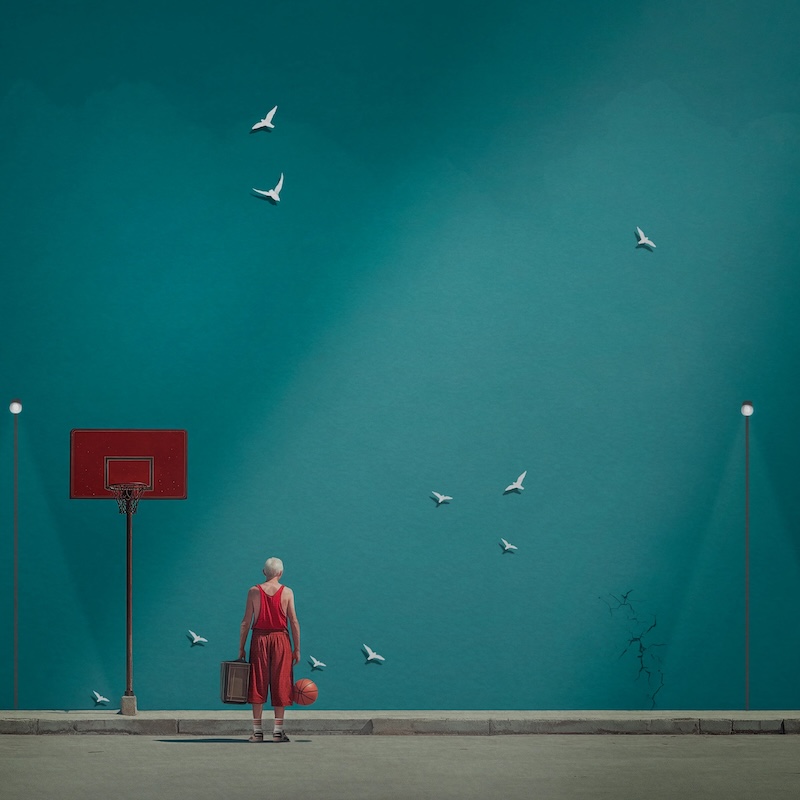
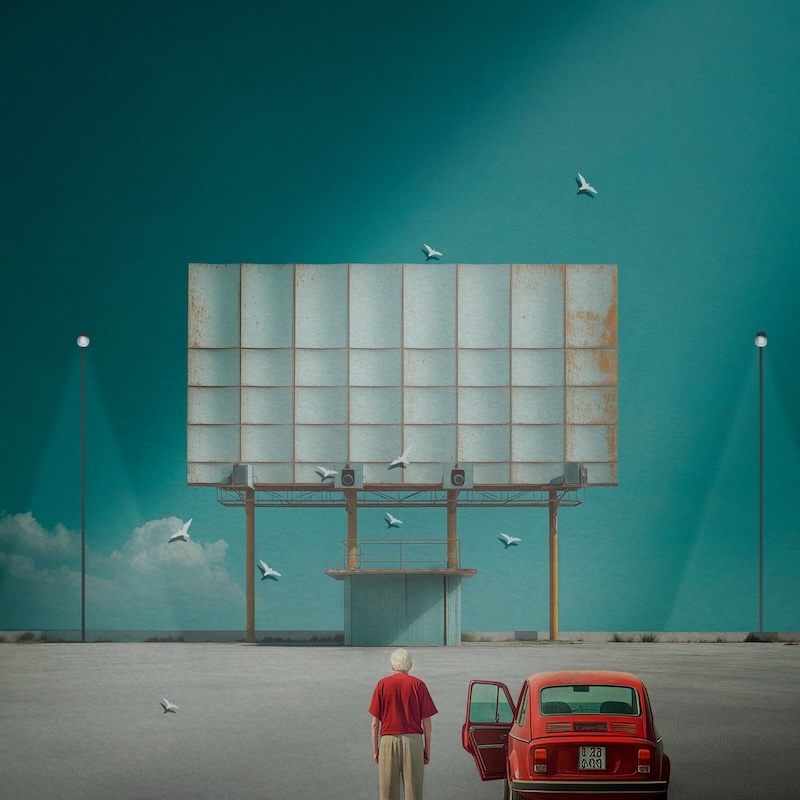
5. Your work mostly focuses on a man turned away from us, surrounded by breathtaking buildings and locations. Who are these men, and how do you choose which location to use for your art pieces?
The figures in my work are intentionally anonymous.
They are not portraits of one specific person. In many ways, they represent all of us.
By turning the figure away from the viewer, I allow the audience to emotionally project themselves into the work. The anonymity creates openness and interpretation. The locations are chosen very intuitively. Architecture plays a major role in my work because buildings carry emotional energy, history, and atmosphere. I'm drawn to places that feel emotionally charged rather than simply visually beautiful.
Sometimes I photograph locations while travelling and instantly know they'll become part of a future artwork. Other times, I revisit images years later before understanding where they belong emotionally.
I think of the environments almost like emotional stages where internal psychological narratives unfold.
They are not portraits of one specific person. In many ways, they represent all of us.
By turning the figure away from the viewer, I allow the audience to emotionally project themselves into the work. The anonymity creates openness and interpretation. The locations are chosen very intuitively. Architecture plays a major role in my work because buildings carry emotional energy, history, and atmosphere. I'm drawn to places that feel emotionally charged rather than simply visually beautiful.
Sometimes I photograph locations while travelling and instantly know they'll become part of a future artwork. Other times, I revisit images years later before understanding where they belong emotionally.
I think of the environments almost like emotional stages where internal psychological narratives unfold.
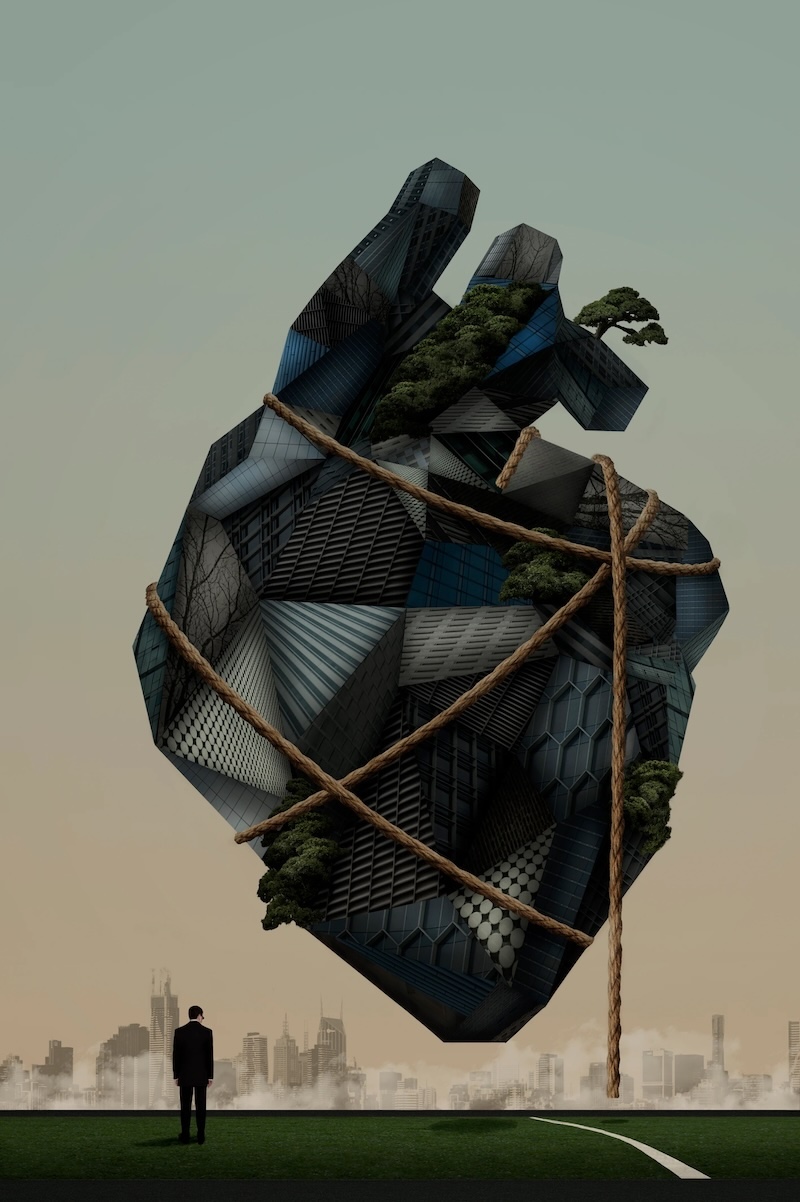
6. Which piece would you say is your favorite and why?
That's probably the hardest question because artworks become connected to different periods of your life.
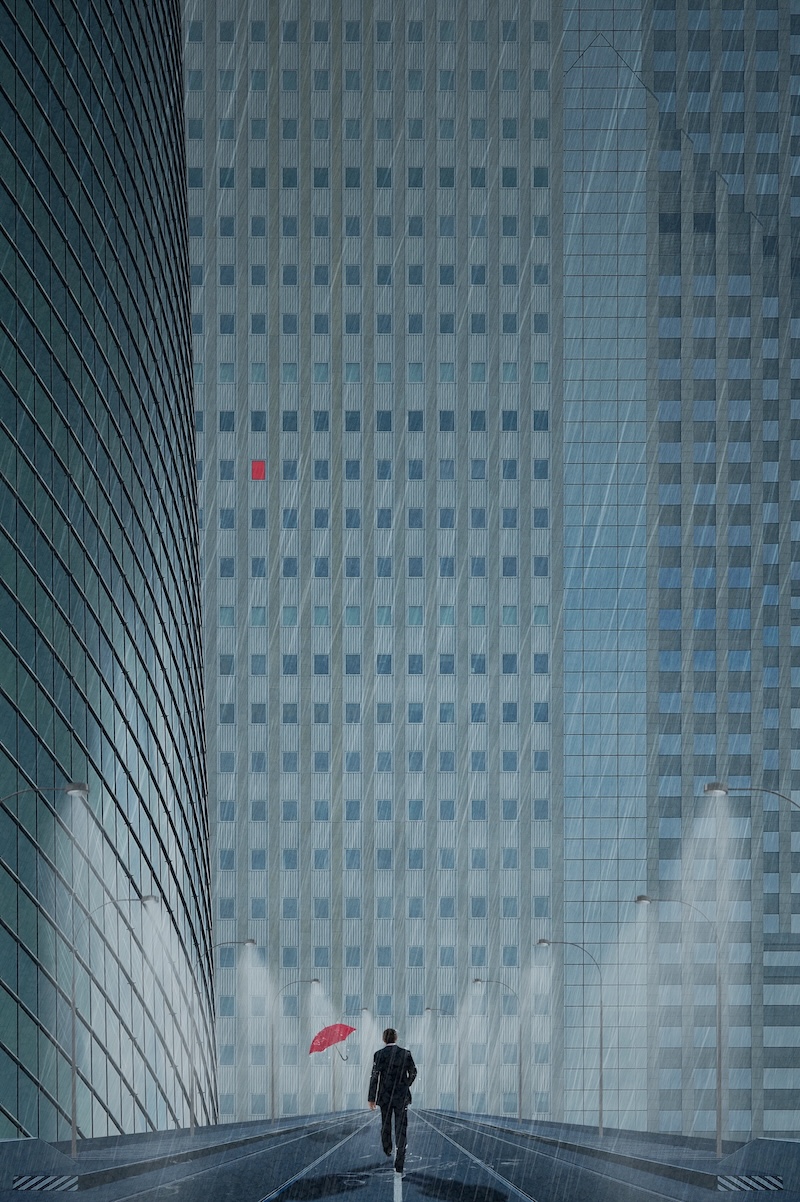
If I had to choose, I'd say works from The Anonymous Man series remain especially important to me because they marked a major shift in my artistic voice.
Those pieces allowed me to move beyond commercial photography and begin creating work that was more emotionally autobiographical and psychologically layered.
There's something inside those works about searching for meaning while standing inside vast spaces that still resonates with me deeply. I think many people feel that emotionally, even if they can't always explain it.
If I had to choose, I'd say works from The Anonymous Man series remain especially important to me because they marked a major shift in my artistic voice.
Those pieces allowed me to move beyond commercial photography and begin creating work that was more emotionally autobiographical and psychologically layered.
There's something inside those works about searching for meaning while standing inside vast spaces that still resonates with me deeply. I think many people feel that emotionally, even if they can't always explain it.
.jpg)
7. You are located in Australia. Tell us about your upbringing and childhood. How did you find your love for photography?
I grew up in Australia during a time when photography still felt incredibly tactile and magical.
Images were precious. You didn't instantly see thousands of photographs every day the way we do now.
I became fascinated very early by observation — people, atmosphere, light, storytelling, and emotion. Photography allowed me to combine all of those things together.
Even as a child, I think I saw the world through mood and emotional atmosphere. The camera became a way of translating that way of seeing.
Over the last forty years, photography has taken me into almost every imaginable environment — advertising, portraiture, lifestyle, products, architecture, travel, and now conceptual art.
What I love most about photography is that it constantly evolves. Even after decades behind the camera, I still feel curious, and I think curiosity is one of the most important things an artist can hold onto.
Images were precious. You didn't instantly see thousands of photographs every day the way we do now.
I became fascinated very early by observation — people, atmosphere, light, storytelling, and emotion. Photography allowed me to combine all of those things together.
Even as a child, I think I saw the world through mood and emotional atmosphere. The camera became a way of translating that way of seeing.
Over the last forty years, photography has taken me into almost every imaginable environment — advertising, portraiture, lifestyle, products, architecture, travel, and now conceptual art.
What I love most about photography is that it constantly evolves. Even after decades behind the camera, I still feel curious, and I think curiosity is one of the most important things an artist can hold onto.
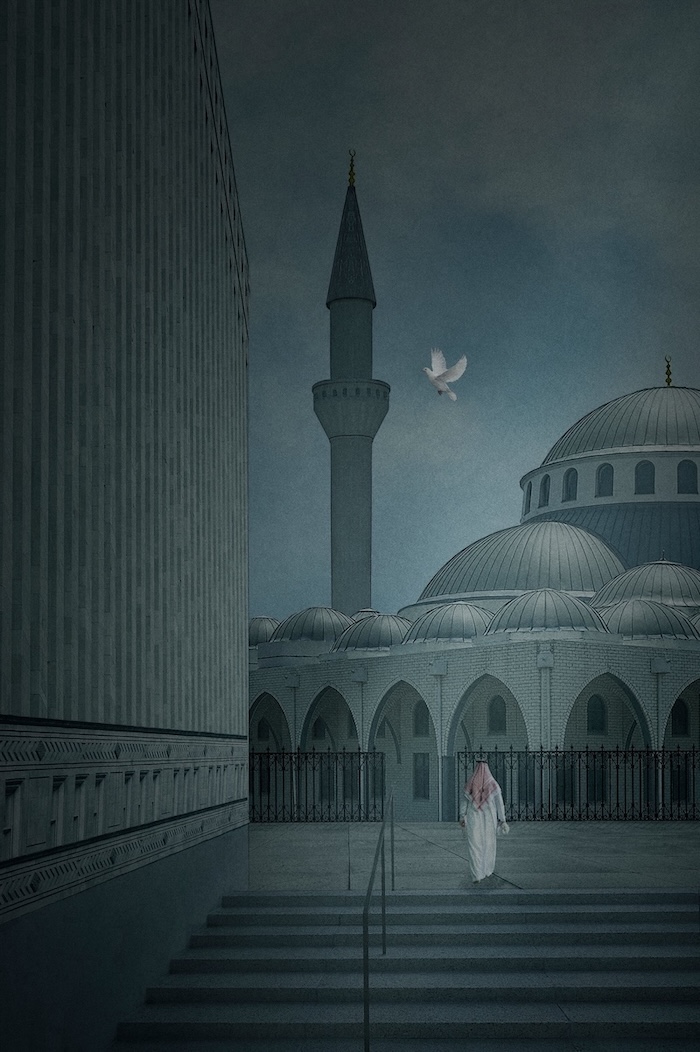
8. What was the inspiration behind your Alphabetica Collection?
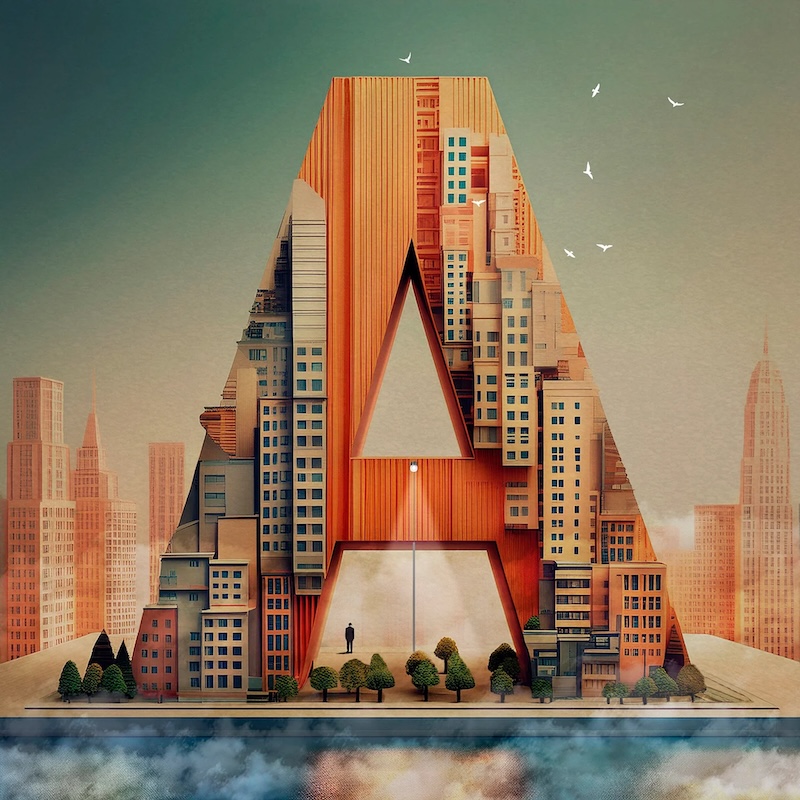
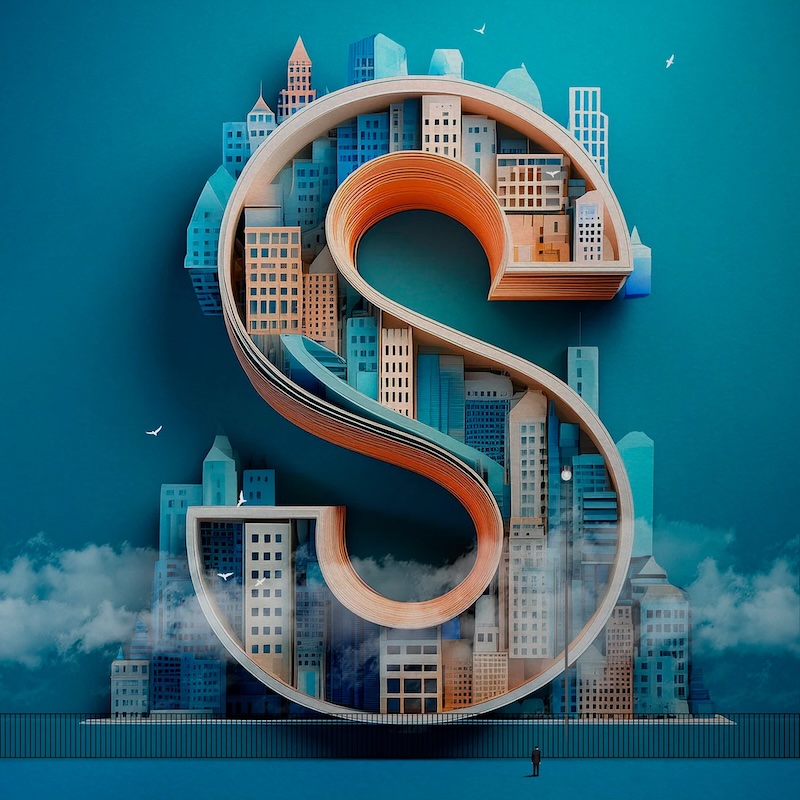
Alphabetica was inspired by language, symbolism, and the human need to search for meaning.
Letters are such simple forms visually, yet they carry enormous emotional and cultural weight. They create communication, identity, history, and storytelling.
I became interested in exploring typography and symbolic structures not just as graphic elements, but as emotional and psychological forms.
The collection allowed me to merge photography, abstraction, design, and narrative into something more conceptual and interpretive.
What was also important to me within Alphabetica was allowing myself to embrace evolving technology, including AI, as part of the creative process. Being born at the end of the 1960s, I feel incredibly fortunate to have experienced both the analogue world and the complete technological evolution of photography and image making as we know it today. I began my career shooting film, working in darkrooms and understanding photography in its most tactile form, and over the decades, I've continuously adapted alongside new technologies.
For me, creativity has always been about evolution. I believe artists need to remain curious, adaptable, and willing to pivot in order to continue growing creatively and professionally.
AI became another tool within that exploration — not something that replaces artistic vision, but something that can expand possibilities when used thoughtfully and intentionally within an existing creative practice.
Like much of my work, Alphabetica sits somewhere between reality and imagination and invites viewers to emotionally participate rather than simply observe.
Letters are such simple forms visually, yet they carry enormous emotional and cultural weight. They create communication, identity, history, and storytelling.
I became interested in exploring typography and symbolic structures not just as graphic elements, but as emotional and psychological forms.
The collection allowed me to merge photography, abstraction, design, and narrative into something more conceptual and interpretive.
What was also important to me within Alphabetica was allowing myself to embrace evolving technology, including AI, as part of the creative process. Being born at the end of the 1960s, I feel incredibly fortunate to have experienced both the analogue world and the complete technological evolution of photography and image making as we know it today. I began my career shooting film, working in darkrooms and understanding photography in its most tactile form, and over the decades, I've continuously adapted alongside new technologies.
For me, creativity has always been about evolution. I believe artists need to remain curious, adaptable, and willing to pivot in order to continue growing creatively and professionally.
AI became another tool within that exploration — not something that replaces artistic vision, but something that can expand possibilities when used thoughtfully and intentionally within an existing creative practice.
Like much of my work, Alphabetica sits somewhere between reality and imagination and invites viewers to emotionally participate rather than simply observe.
9. When we talked at The Other Art Fair in Los Angeles, you mentioned your love for traveling. Do you have a favorite place you have visited? In which way would you say traveling has influenced the person and artist you are today?
Travel has influenced me enormously both creatively and personally. I honestly don't think I could create the work I make without travel.
Every city and landscape carries its own emotional rhythm, architecture, colour palette, history, and atmosphere. Experiencing different cultures constantly shifts perspective and expands emotional understanding.
New York has always had a huge creative impact on me because it feels cinematic, layered, and emotionally alive. But one of the places that affected me most deeply was the Faroe Islands.
There was something incredibly powerful about the tranquillity there — the weather, the dramatic landscapes, the history, the silence, and the feeling of life existing in a slower and more connected way. It felt emotionally expansive and grounding at the same time.
I think places like that stay with you creatively long after you leave them.
Travel teaches observation and humility. Sometimes it's not the major landmarks that stay with me, but smaller moments — light on a street after rain, someone sitting alone in a station, old buildings beside modern structures, or simply the feeling of anonymity in a foreign city.
All of those experiences eventually become part of my visual language.
Every city and landscape carries its own emotional rhythm, architecture, colour palette, history, and atmosphere. Experiencing different cultures constantly shifts perspective and expands emotional understanding.
New York has always had a huge creative impact on me because it feels cinematic, layered, and emotionally alive. But one of the places that affected me most deeply was the Faroe Islands.
There was something incredibly powerful about the tranquillity there — the weather, the dramatic landscapes, the history, the silence, and the feeling of life existing in a slower and more connected way. It felt emotionally expansive and grounding at the same time.
I think places like that stay with you creatively long after you leave them.
Travel teaches observation and humility. Sometimes it's not the major landmarks that stay with me, but smaller moments — light on a street after rain, someone sitting alone in a station, old buildings beside modern structures, or simply the feeling of anonymity in a foreign city.
All of those experiences eventually become part of my visual language.
10. What are your plans for the future? Any travel destinations or other art fairs coming up?
Right now, I'm very focused on continuing to expand my artwork internationally.
The response to my work in Los Angeles was incredibly encouraging, and I'd love to continue building stronger connections within the international art community.
I have upcoming art fairs and design markets throughout Australia, and I'm also exploring future international opportunities.
Travel will absolutely continue to play a major role in both my life and creative process. I think at this stage of my career, the focus is less about chasing trends and more about continuing to create emotionally meaningful work that genuinely connects with people.
That connection is ultimately the most important thing to me as an artist.
The response to my work in Los Angeles was incredibly encouraging, and I'd love to continue building stronger connections within the international art community.
I have upcoming art fairs and design markets throughout Australia, and I'm also exploring future international opportunities.
Travel will absolutely continue to play a major role in both my life and creative process. I think at this stage of my career, the focus is less about chasing trends and more about continuing to create emotionally meaningful work that genuinely connects with people.
That connection is ultimately the most important thing to me as an artist.
Follow Lisa on Instagram at @lisasaad and visit her website at lisasaad.com