
There is something quietly radical about the figures in Lyne Lapointe's work. They do not ask for permission to exist. They do not explain themselves. They stand, float, fracture, shimmer, bloom, and haunt. Some appear fragile, almost paper thin, held together by beads, pearls, shells, cocoons, crystals, linen, and memory. Others look strangely armored, as if beauty itself has become a form of resistance.
At Vielmetter Los Angeles, Lapointe's exhibition In The Mood for Deviance introduces West Coast audiences to an artist who has spent more than four decades challenging the boundaries between body and object, intimacy and institution, vulnerability and power. Born in Montréal in 1957, Lapointe emerged as a vital figure through provocative installations and architectural interventions that questioned how marginalized bodies are seen, contained, erased, or transformed by institutional space. Her work has long been part of feminist and queer discourse, but it never feels trapped inside theory. It feels bodily. It feels touched. It feels lived.
Lapointe has described her practice as "an archaeology of memory," and that phrase is key to understanding the emotional force of these works. Her pieces feel excavated rather than composed. The figures seem to have been pulled from buried rooms, private rituals, old garments, forgotten photographs, and half-remembered dreams. Ink on paper becomes skin. Linen becomes history. Pearls become wounds, stars, scars, or protection. Cocoons suggest transformation, but also confinement. Shells glimmer with beauty, but they are also remnants of once living things.
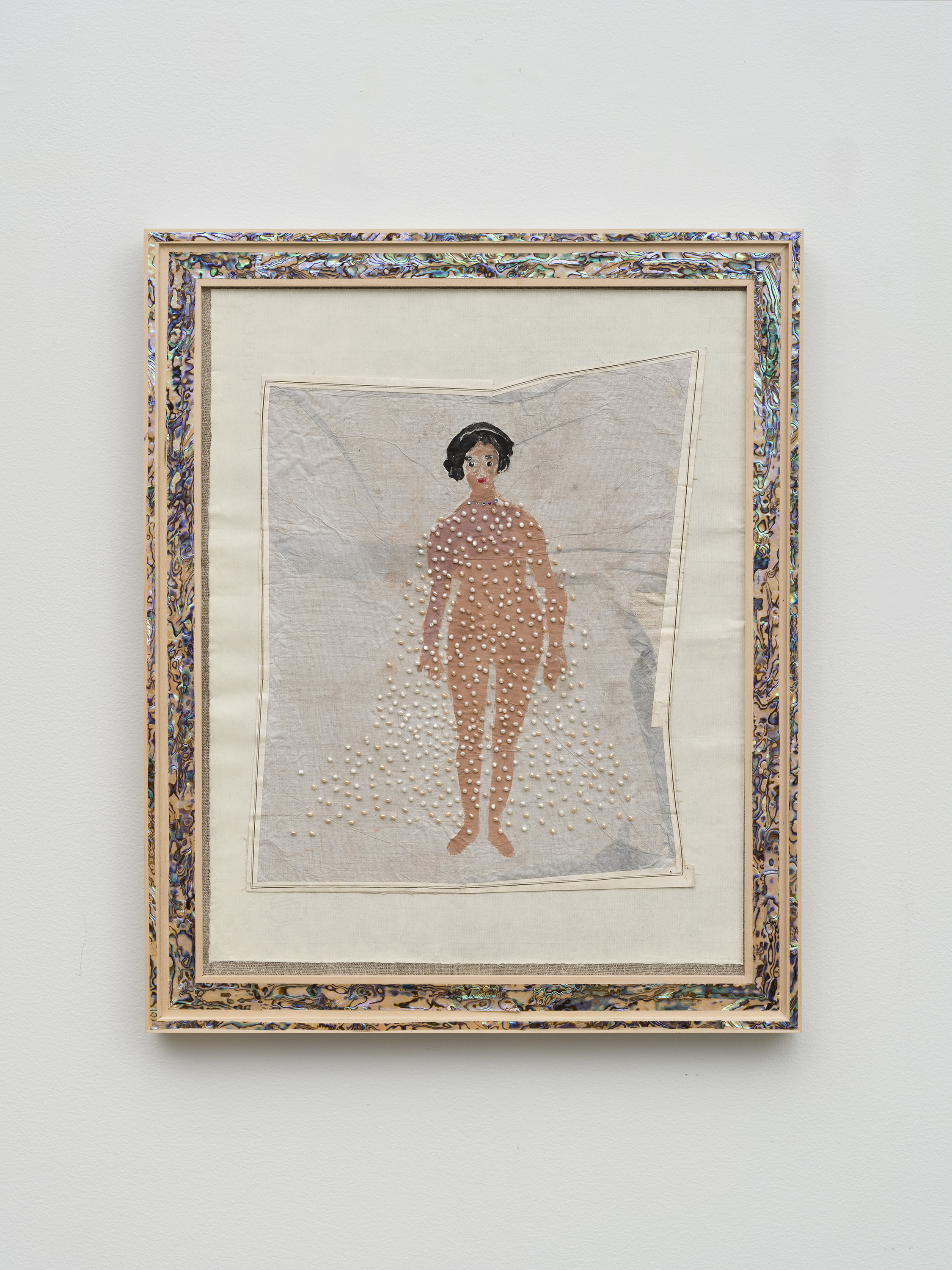
In Miz Abalone, a nude figure stands beneath a veil of pearls. The body is exposed, but not simply naked. It is covered, charged, made ceremonial. The pearls hover between ornament and atmosphere, creating a fragile field around the figure. The surrounding frame, embedded with abalone, deepens the sense that the body is both specimen and shrine. Lapointe does not present the nude as something to be consumed. She makes it uncanny, protected, unstable, and sovereign.
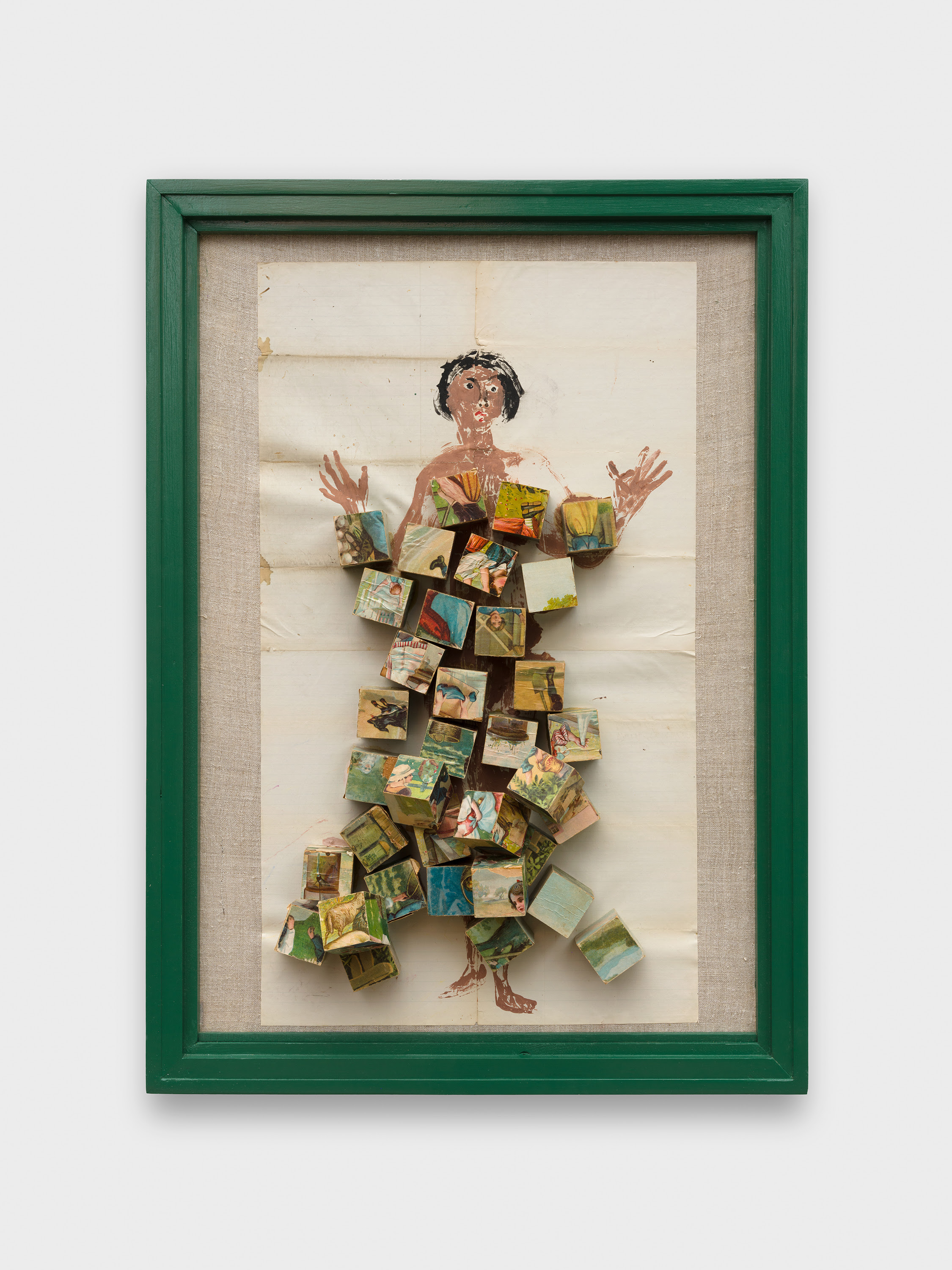
In another work, Memory, small painted blocks gather across the body like fragments of experience refusing to stay flat. The figure becomes a carrier of images, a living archive. These little scenes seem to spill from the torso, as if memory has weight, texture, and gravity. The body is not just represented. It is burdened by vision. It holds landscapes, gestures, rooms, and remnants of other lives.
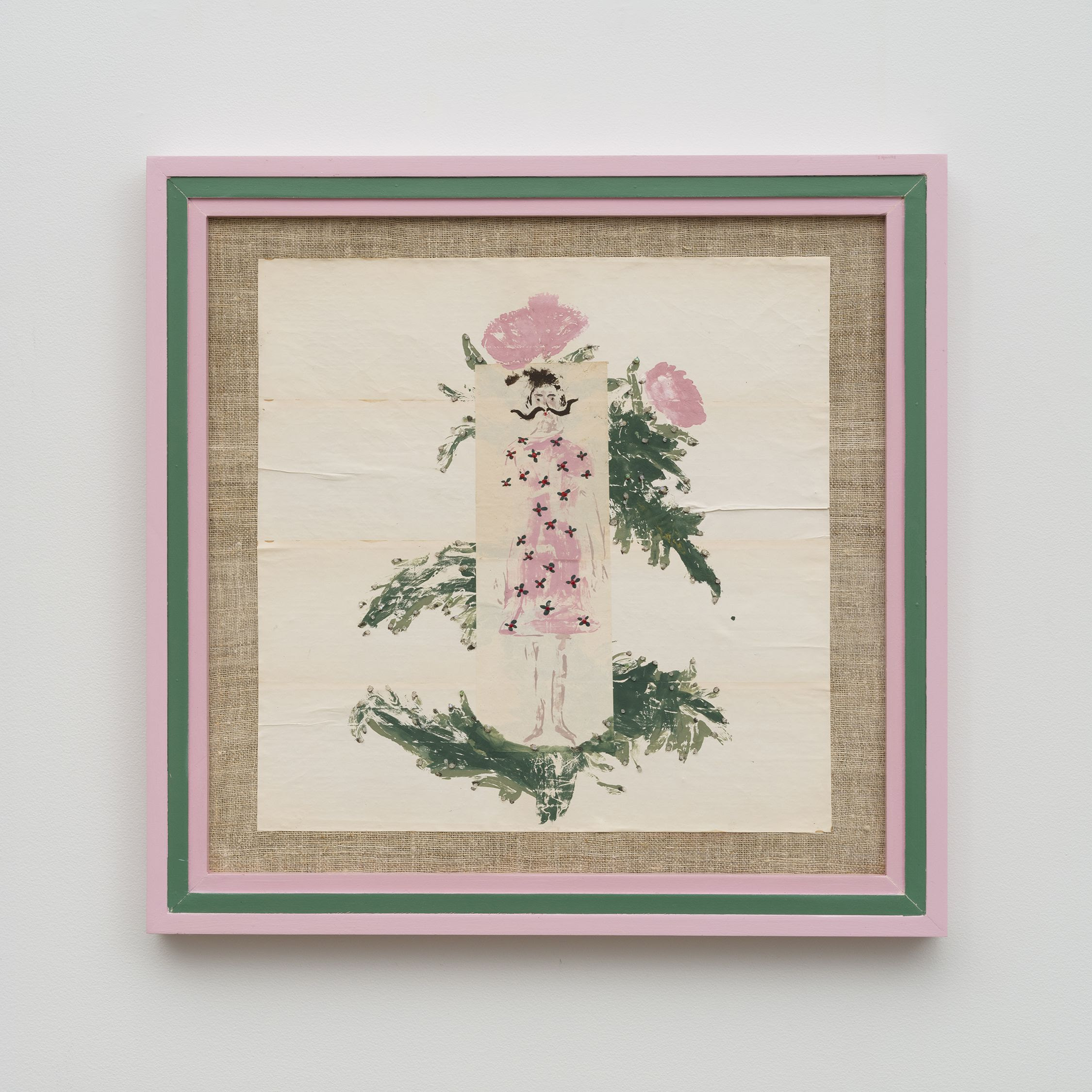
Across the exhibition, Lapointe's figures resist the smoothness of idealized beauty. Instead, they are awkward, handmade, exposed, patched together, and alive. That handmade quality is essential. The works insist on touch in an age of slick surfaces. They remind us that bodies are not clean symbols. They are messy vessels of desire, shame, memory, gender, pleasure, fear, and survival.
The title In The Mood for Deviance suggests playfulness, but also danger. Deviance here is not a crime. It is a freedom. It is the refusal to be corrected. The refusal to be made legible. The refusal to fit neatly into gender, category, frame, or institution. Lapointe's work celebrates bodies that slip out of definition and become something more fluid, more vulnerable, and more powerful.
What makes the exhibition especially moving is its balance between delicacy and force. These are small, intimate, carefully made works, yet they carry the weight of a lifetime of radical inquiry. Lapointe has exhibited internationally, including at the São Paulo Biennial, the New Museum, P.S.1 Contemporary Art Center, and the Musée d'art contemporain de Montréal. Her work belongs to major public collections, but the pieces themselves retain the feeling of secret objects. They do not announce themselves with spectacle. They draw you closer. Then they unsettle you.
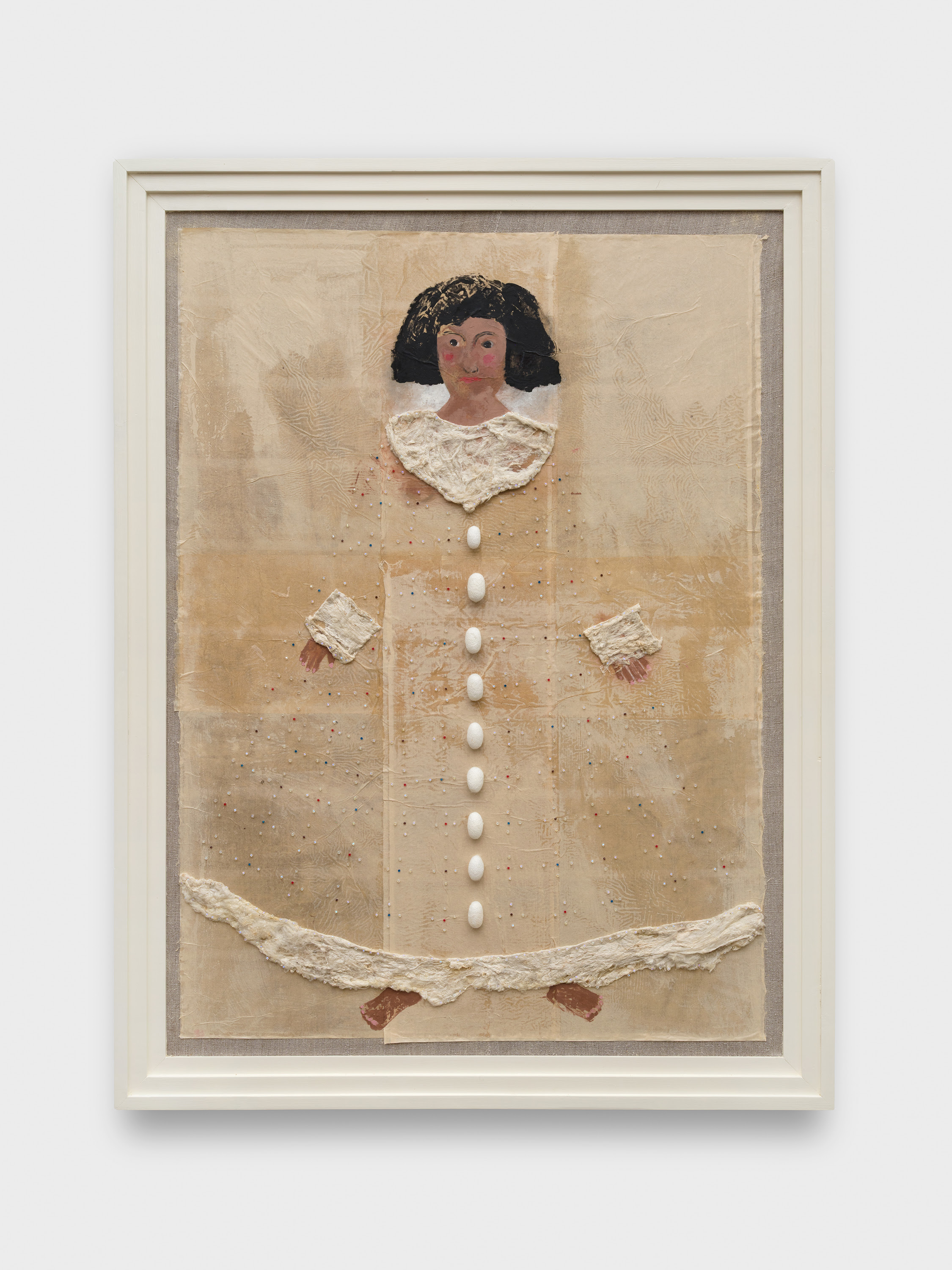
Lapointe's materials carry their own histories. Pearls, cocoons, shells, crystals, hemp, linen, paper, varnish, and wood all speak of transformation, labor, nature, and preservation. They are beautiful materials, but also unstable ones. They can crack, decay, stain, fade, or break. In Lapointe's hands, that fragility becomes part of the meaning. The body is never permanent. Memory is never fixed. Identity is never finished.
There is a tenderness in these works, but it is not soft in the sentimental sense. It is tender because it understands damage. It understands the effort required to survive as a body that has been watched, categorized, desired, misunderstood, or excluded. Lapointe gives these bodies ornament, but also agency. She lets them become strange. She lets them become magnificent.
With In The Mood for Deviance, Lyne Lapointe offers a vision of the body as archive, costume, wound, altar, and rebellion. Her figures seem to come from another world, but they are deeply connected to this one. They remind us that the most radical thing a body can do is remain unresolved.
Vielmetter Los Angeles
May 30 – July 11, 2026
Opening reception: Saturday, May 30, 4–6 pm
Follow Lyne Lapointe on Instagram at @lapointe_lyne